3 hr
Kicking Horse River Whitewater Rafting Adventure
- Entry ticket
- Mobile voucher
- Valid same day
- Free cancellation
Kicking Horse Classic Raft Trip — Whitewater Adventure in the Canadian Rockies
Class III rapids through glacial canyons, where the river drops 12 metres per kilometre
Compare fares, pick the fit — all bookings are mobile-voucher and eligible for free cancellation where shown.
3 hr
4 hr
4 hr
Selecting the right kicking horse classic raft trip requires choosing between morning and afternoon departures to best suit your river-based adventure. These kicking horse classic raft trip tours provide essential gear and professional guidance for navigating the river rapids.
| Morning Departure 09:00 AM Start |
Top pick Afternoon Departure 01:15 PM Start |
|
|---|---|---|
| River Time | 2 hours | 2 hours |
| Total Duration | 3 hours | 3 hours |
| Skill Level | Class 1-4 Rapids | Class 1-4 Rapids |
| Gear Included | Wetsuit, helmet, booties | Wetsuit, helmet, booties |
| Best for | Early bird adventurers | Maximizing midday conditions |
| See tickets & prices |
Verdict: For the optimal experience on your kicking horse classic raft trip ticket, we recommend the afternoon departure to take advantage of the best river conditions.
Worth it for thrill-seekers and adventure tourists
The kicking horse classic raft trip delivers one of North America's most intense commercially rafted whitewater experiences, with Class III-IV rapids carving through a dramatic mountain canyon. Professional guides handle all logistics—transport, safety briefings, equipment—while you focus on paddling through surging hydraulics and reading wave trains. The Kicking Horse River's snowmelt-fed flow creates consistent conditions through summer, and operators maintain rigorous safety protocols including certified guides and commercial-grade rafts. Pricing reflects the specialized equipment, liability coverage, and professional expertise required for big-water rafting. Half-day tours suit adventurous travelers who want authentic whitewater without multi-day commitment, while family float options provide gentler sections for mixed-ability groups. The value proposition hinges on your tolerance for cold water, physical exertion, and genuine risk—this isn't a theme-park simulation. For paddlers seeking technical rapids in a wilderness setting, the cost-per-adrenaline ratio justifies itself. Casual sightseers expecting passive scenery will find better value elsewhere.
Bottom line: If you're prepared for cold water and hard paddling, kicking horse classic raft trip tours deliver authentic big-water thrills that justify the investment.
They complement each other; most visitors who do both call the full-day expedition the more immersive river experience. Booking your kicking horse classic raft trip tickets early ensures your spot on these popular waters.
|
Top pick Classic Trip |
Full-Day Trip | |
|---|---|---|
| Intensity | Class 1-4 Rapids | Class 1-4 Plus Rapids |
| Duration | 2.5–3 Hours | 5–7 Hours |
| River Sections | Upper and Middle | Upper, Middle, and Lower |
| Lunch Included | No | Yes |
| Best For | Quick Adrenaline | Total River Immersion |
| Minimum Age | 12 Years | 14-16 Years |
| See tickets & prices |
Verdict: Select the kicking horse classic raft trip tour for an efficient adrenaline rush, or choose the full-day excursion if you prefer a comprehensive adventure with riverside dining.
Hand-picked experiences loved by thousands of travelers
5 hours
Free Cancellation
Tackle Class 4 rapids on BC's legendary Kicking Horse, with canyon hikes and riverside BBQ included
2-3 hours
Free Cancellation
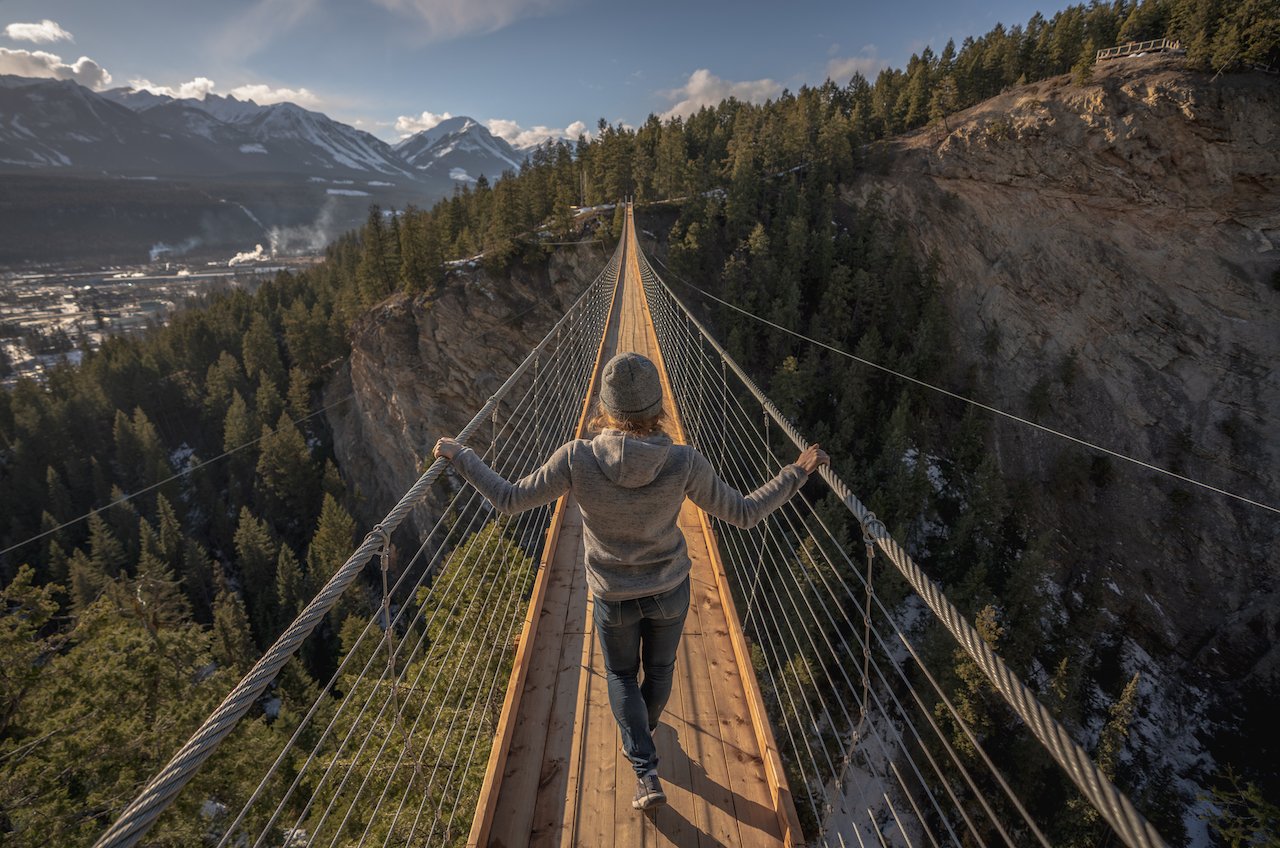
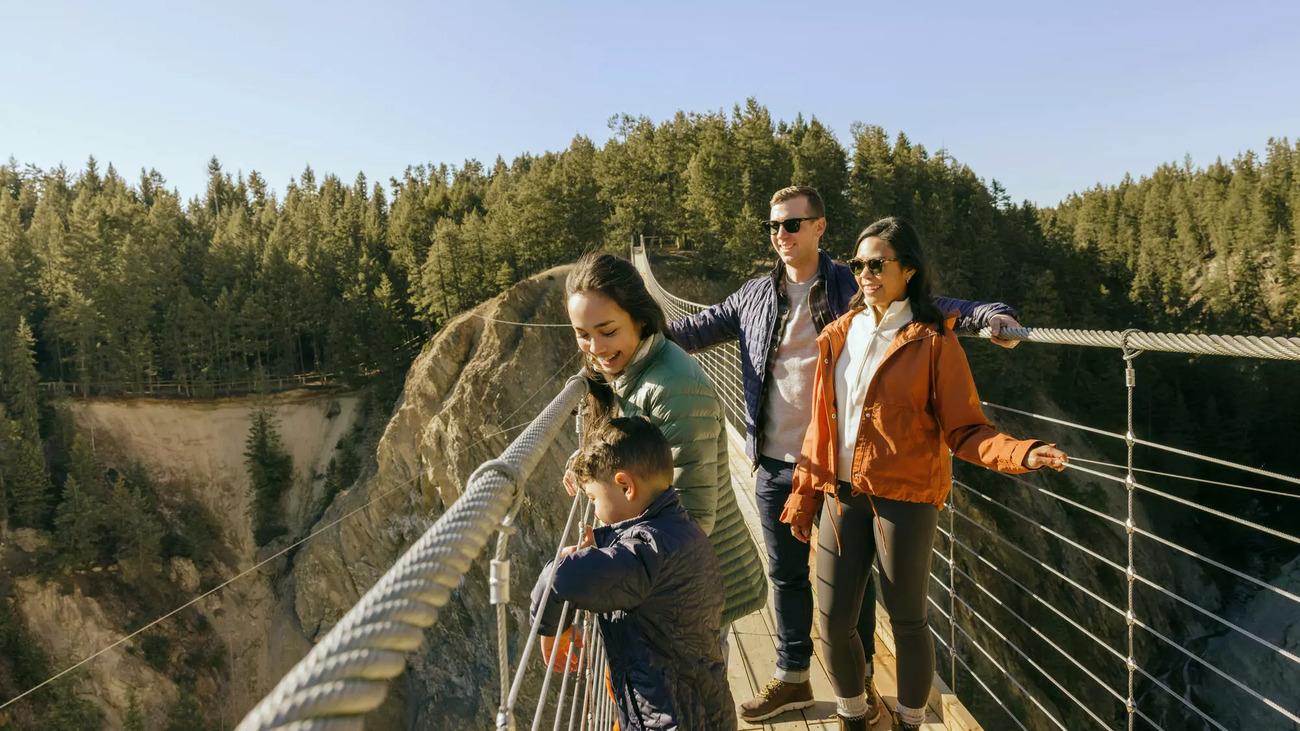
Cross two towering suspension bridges high above the canyon with panoramic mountain vistas
12 hours
Free Cancellation
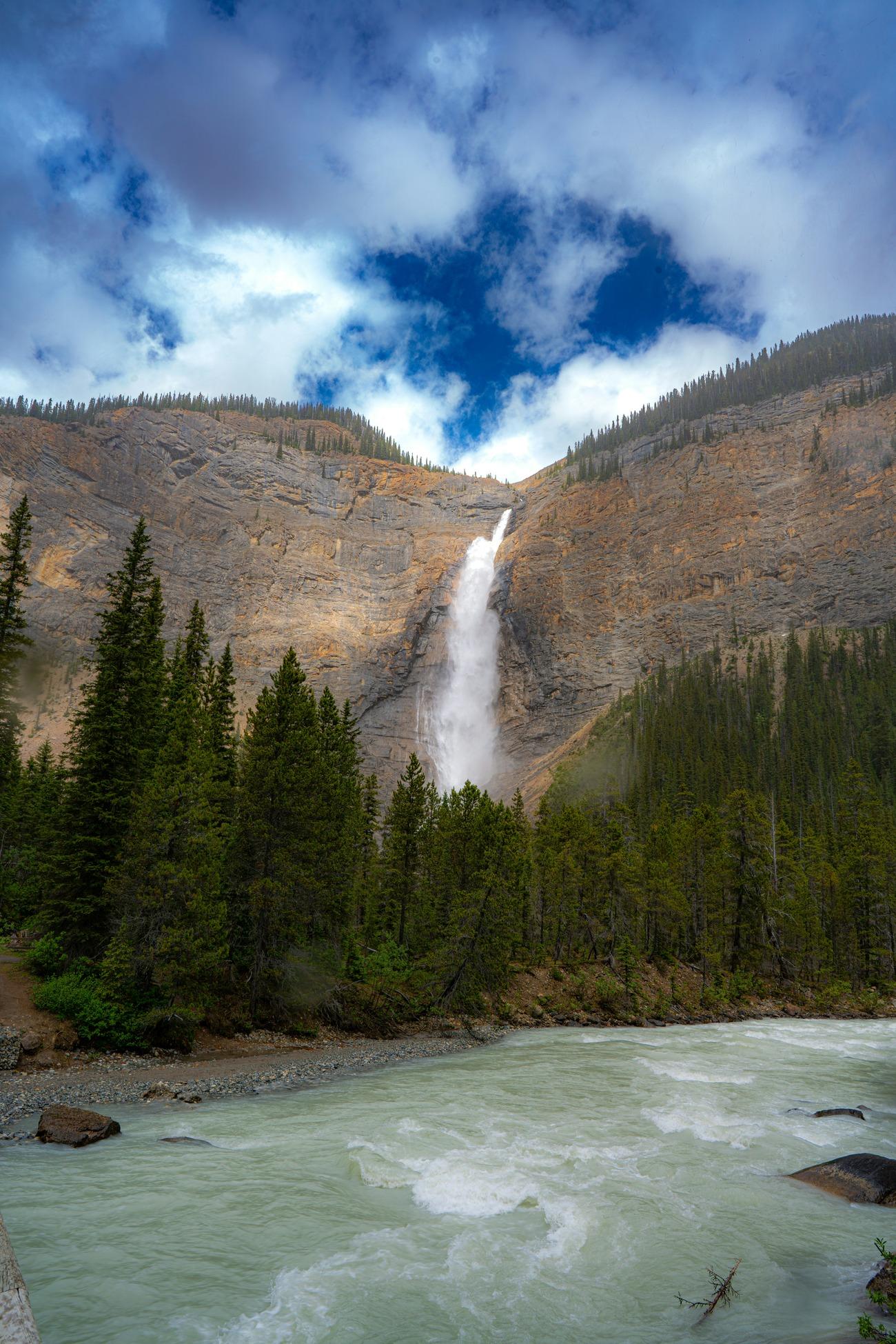
Suspension bridges, glacier-fed cascades, and turquoise alpine lakes in one epic Rockies day trip
6 hours 30 minutes
Free Cancellation
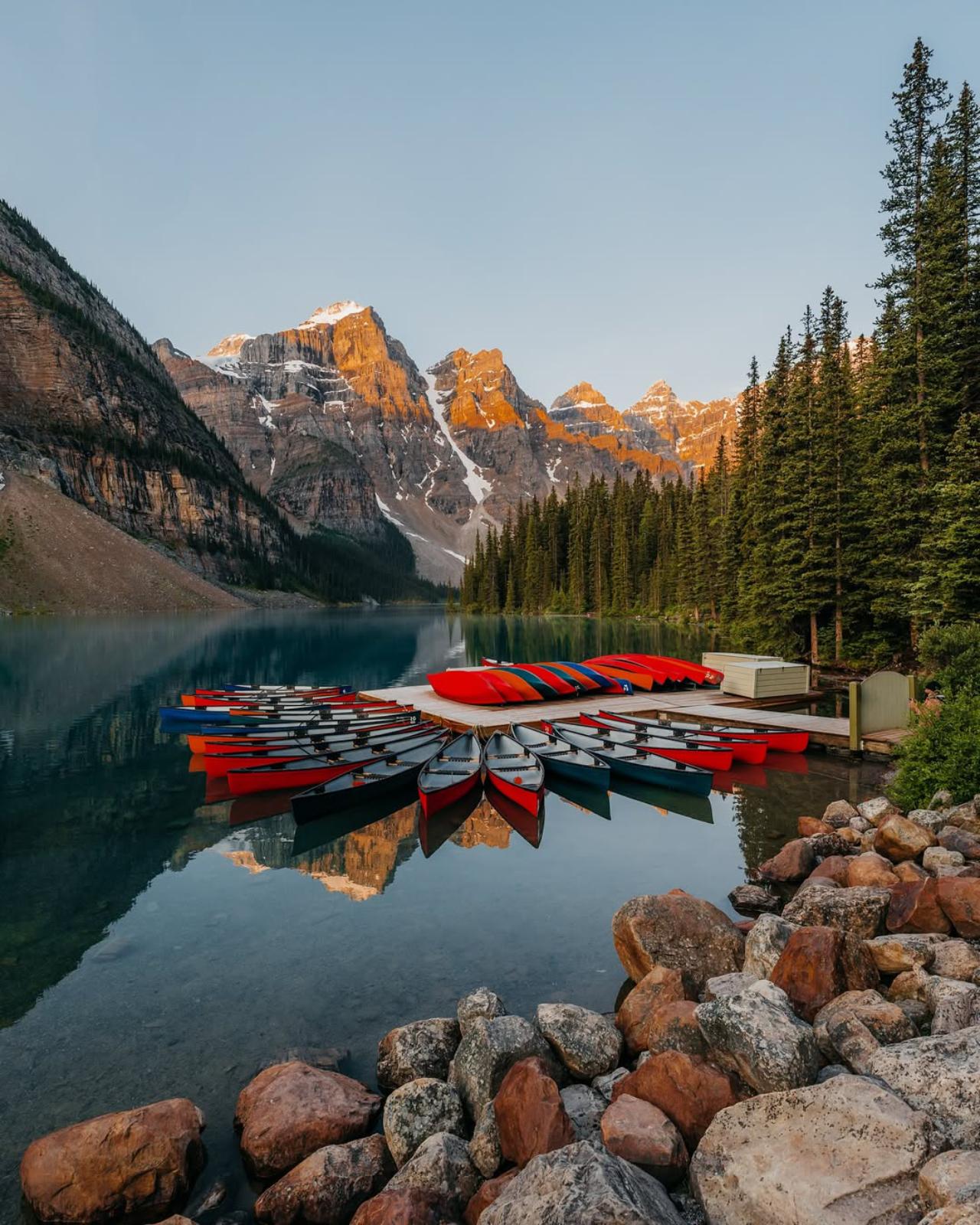
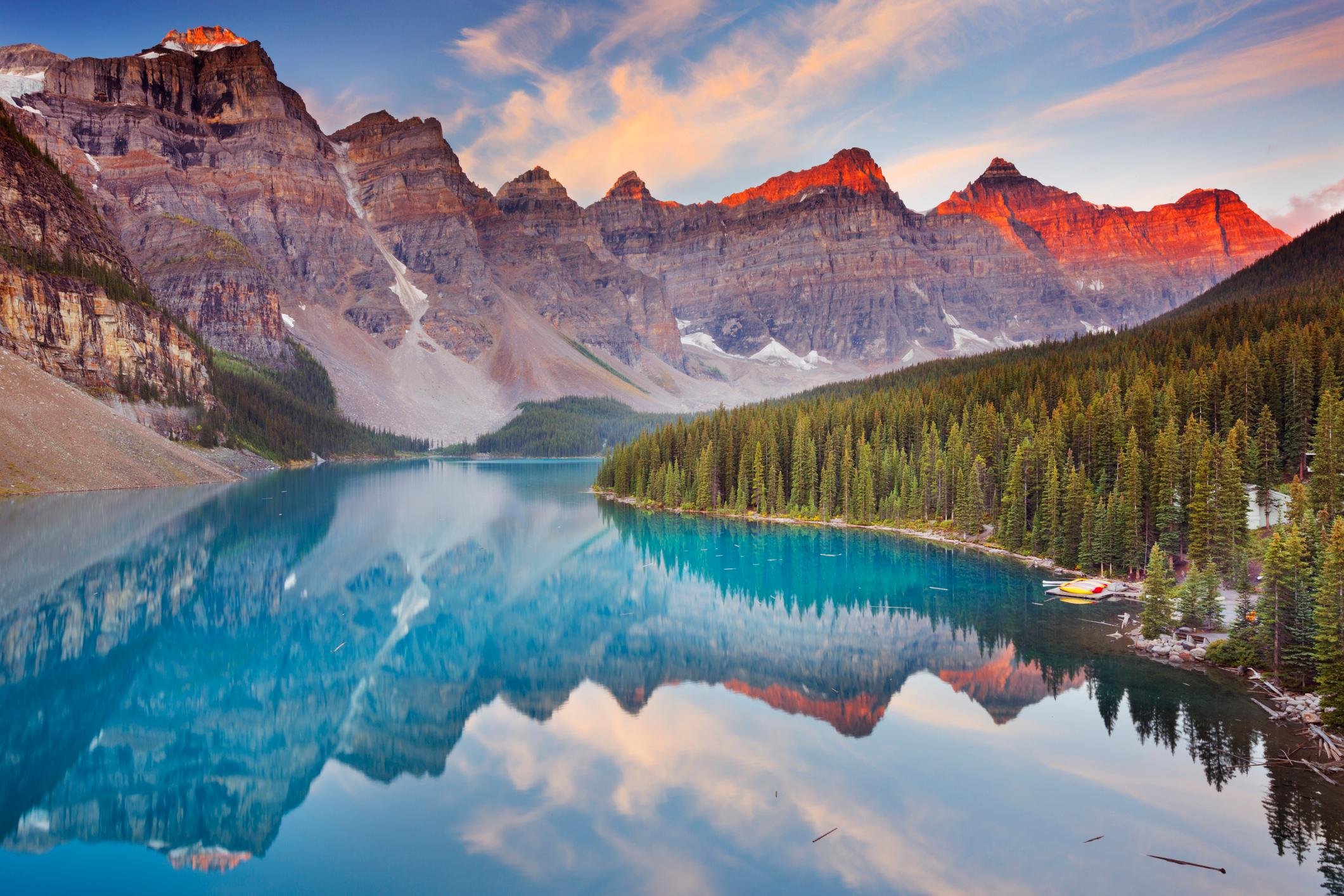
Watch dawn break over the Ten Peaks, then explore Lake Louise in serene morning light—away from the crowds
Flexible timing
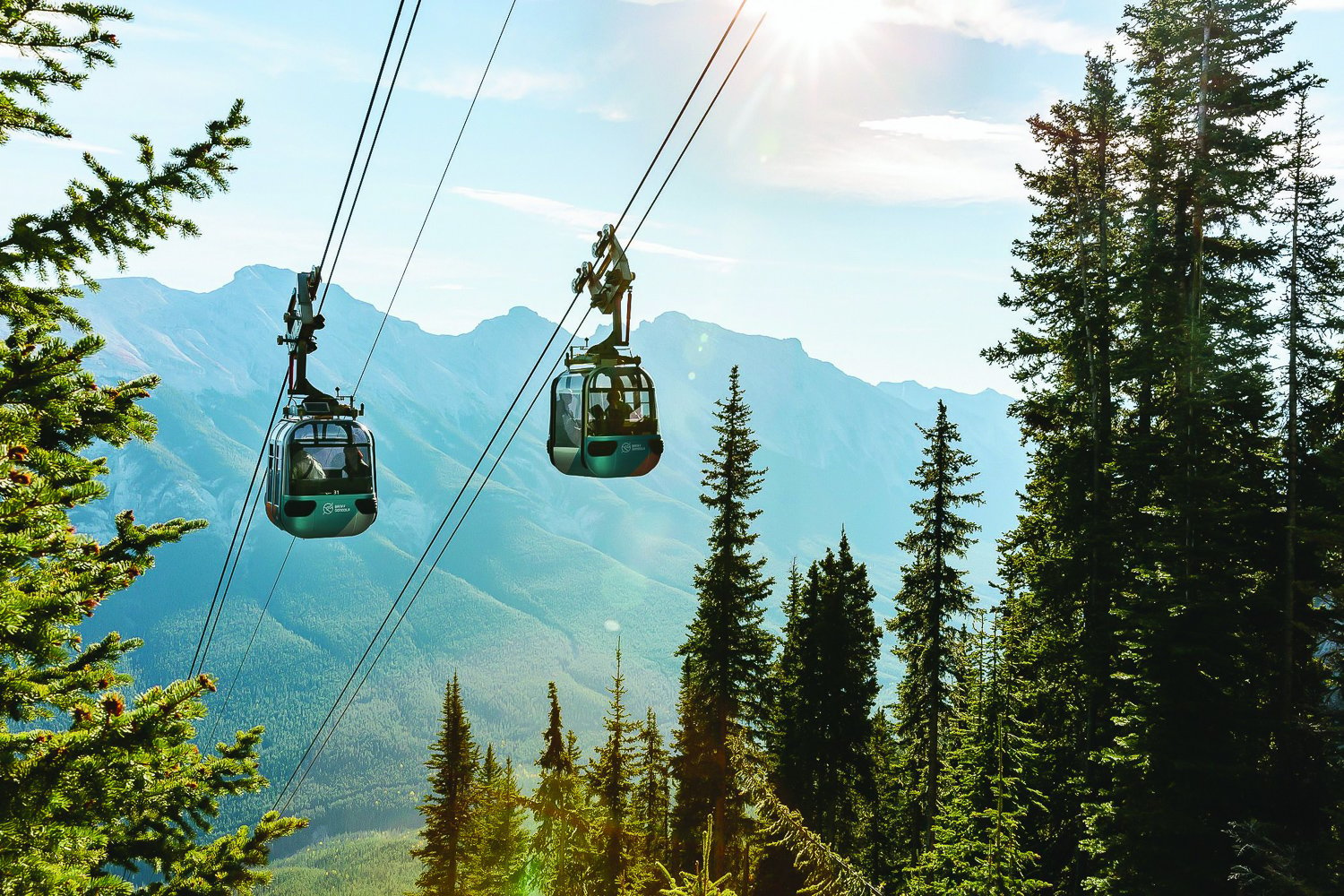
Ride to 2,281 metres for panoramic views across Banff and six mountain ranges from a rooftop deck
2 hours
Free Cancellation
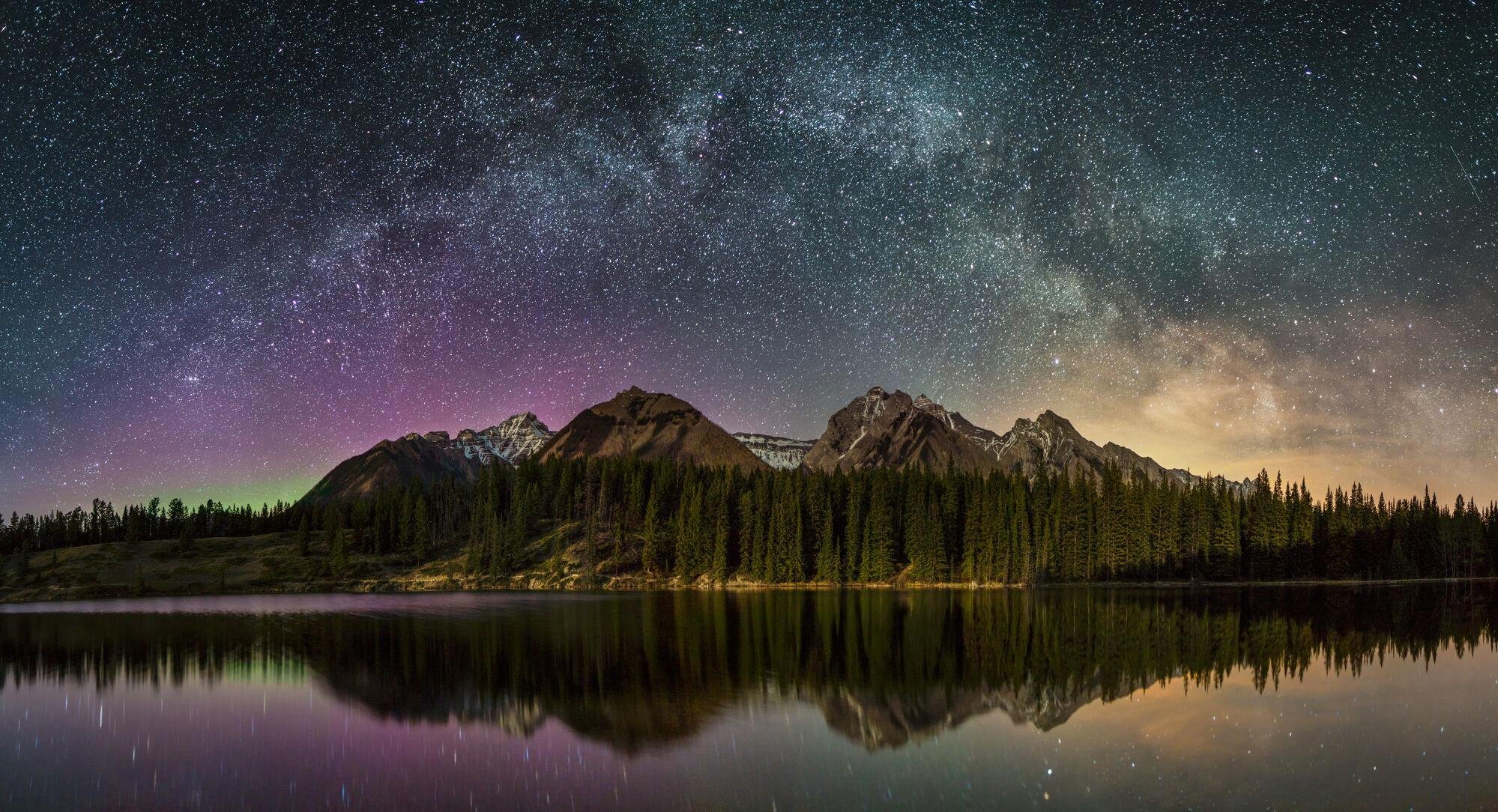
Witness mountain twilight transform into a star-filled sky on guided evening trails through Banff National Park.
5.5 hours
Free Cancellation
Stress-free transport to two iconic alpine lakes with morning or afternoon departures from Banff or Canmore
12 hours
Free Cancellation
Discover Canada's highest suspension bridge, thundering waterfalls, and emerald waters on this full-day Rockies escape
Registration and safety briefing at the river base
Shuttle transfer to the launch point
Guided navigation through canyon rapids
Return to base for change and meal
Features the most iconic whitewater rapids on the river section. The route drops significantly, creating a high-energy environment for the kicking horse classic raft trip.
Provides a serene contrast to the whitewater, allowing groups to take in the views of the Rocky Mountains. This segment is where groups often practice rowing commands.
A stop where guides explain the geological history of the Kicking Horse River basin. This landmark is significant for understanding the glacial forces at work.
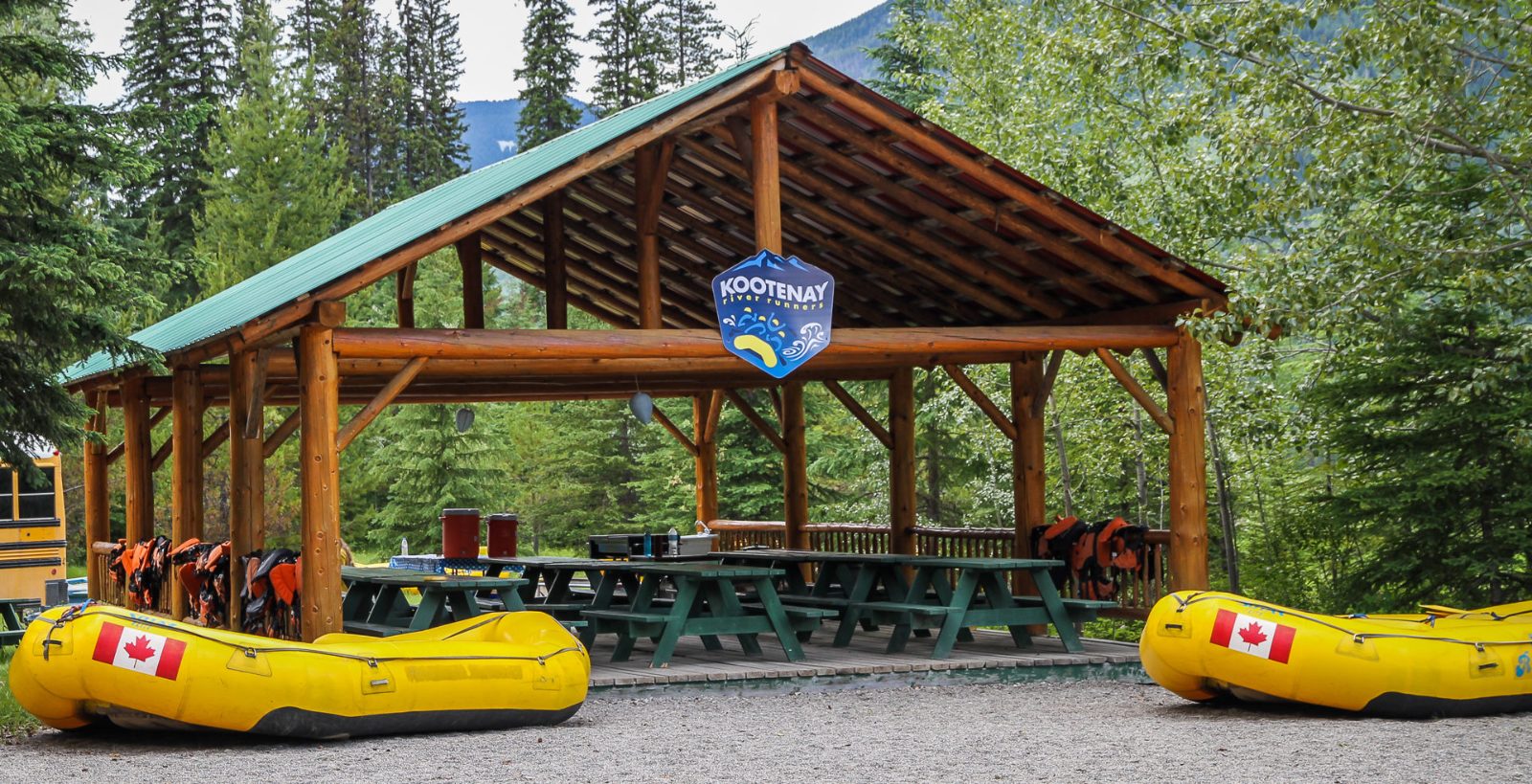
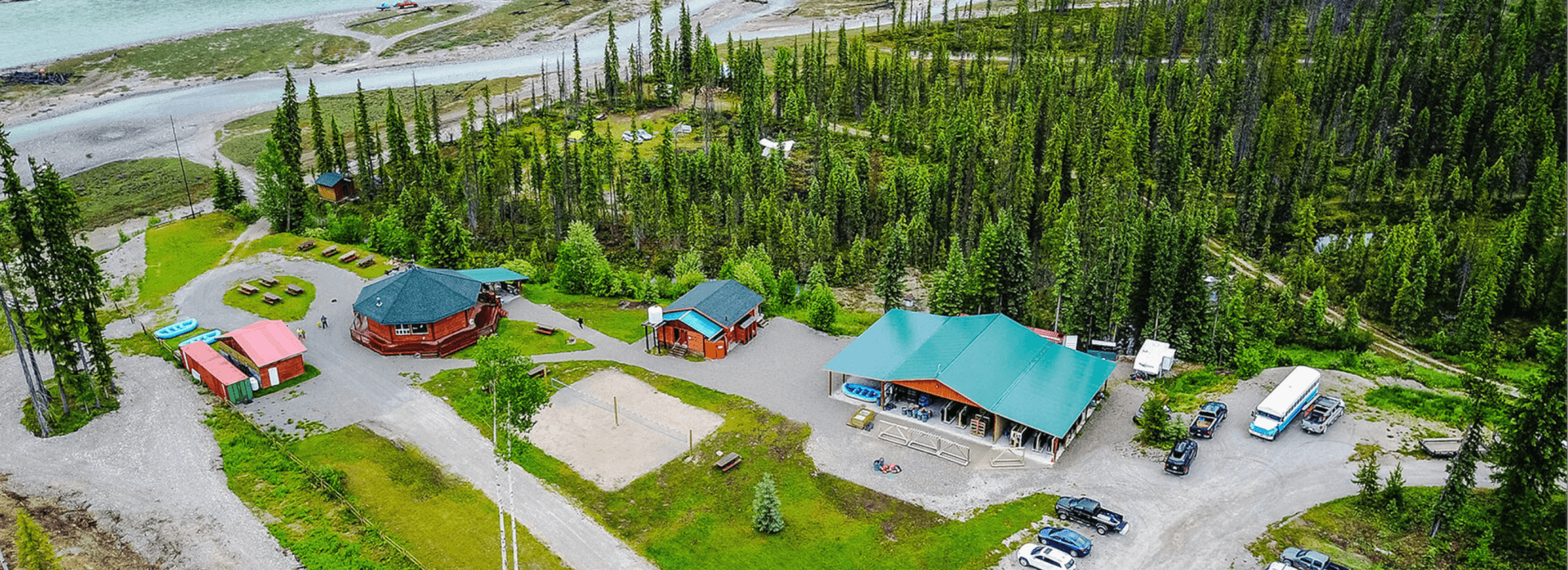
The starting point where equipment is fitted and the safety demonstration occurs. It serves as the hub for all river operations.
The final destination where the tour concludes with a post-river regroup. This area offers a view of the river's winding path back into the valley.
You arrive at the staging area on Kicking Horse Road by 09:00, where guides issue wetsuits, splash jackets, helmets, and neoprene booties in a gravel lot beside the river.
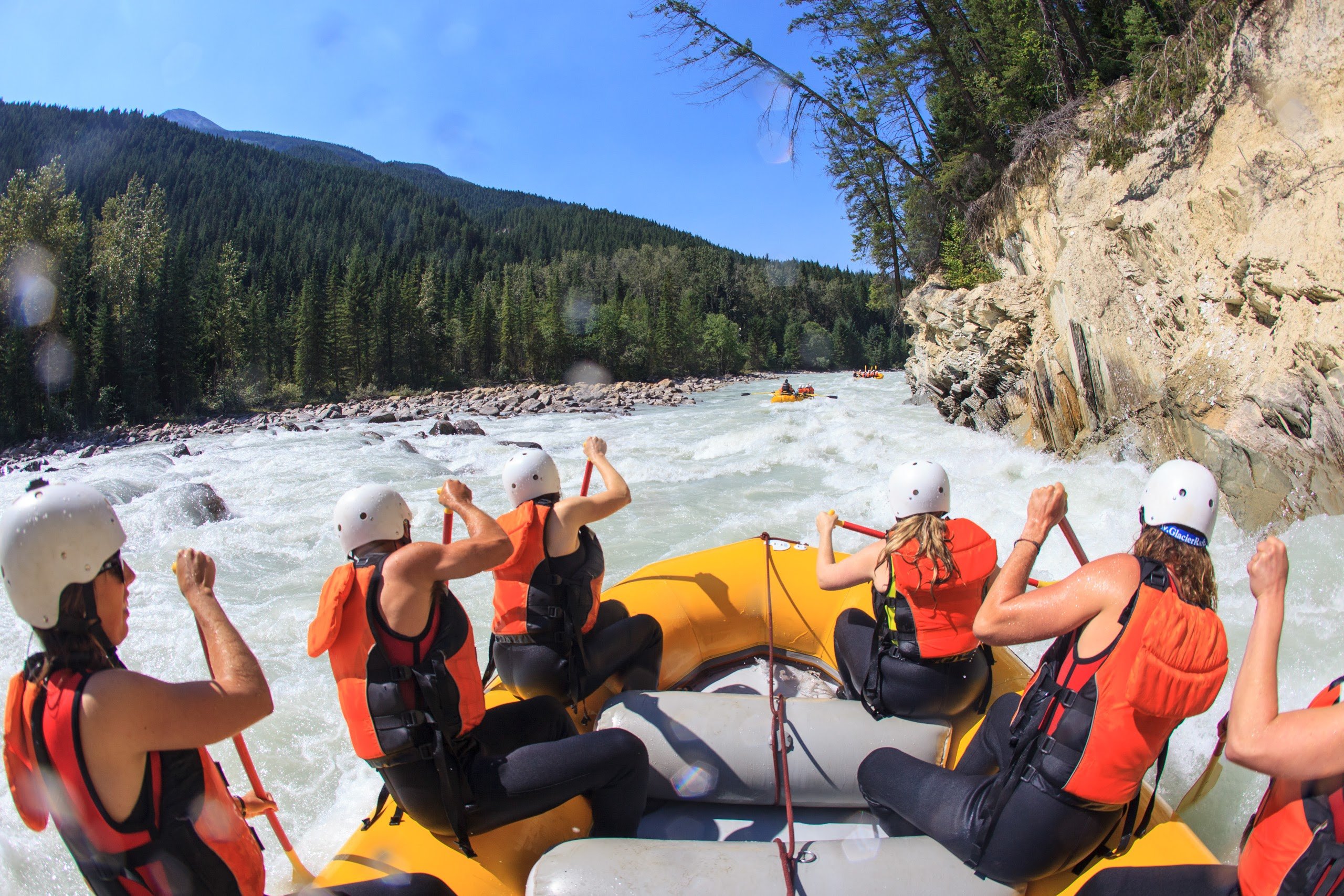
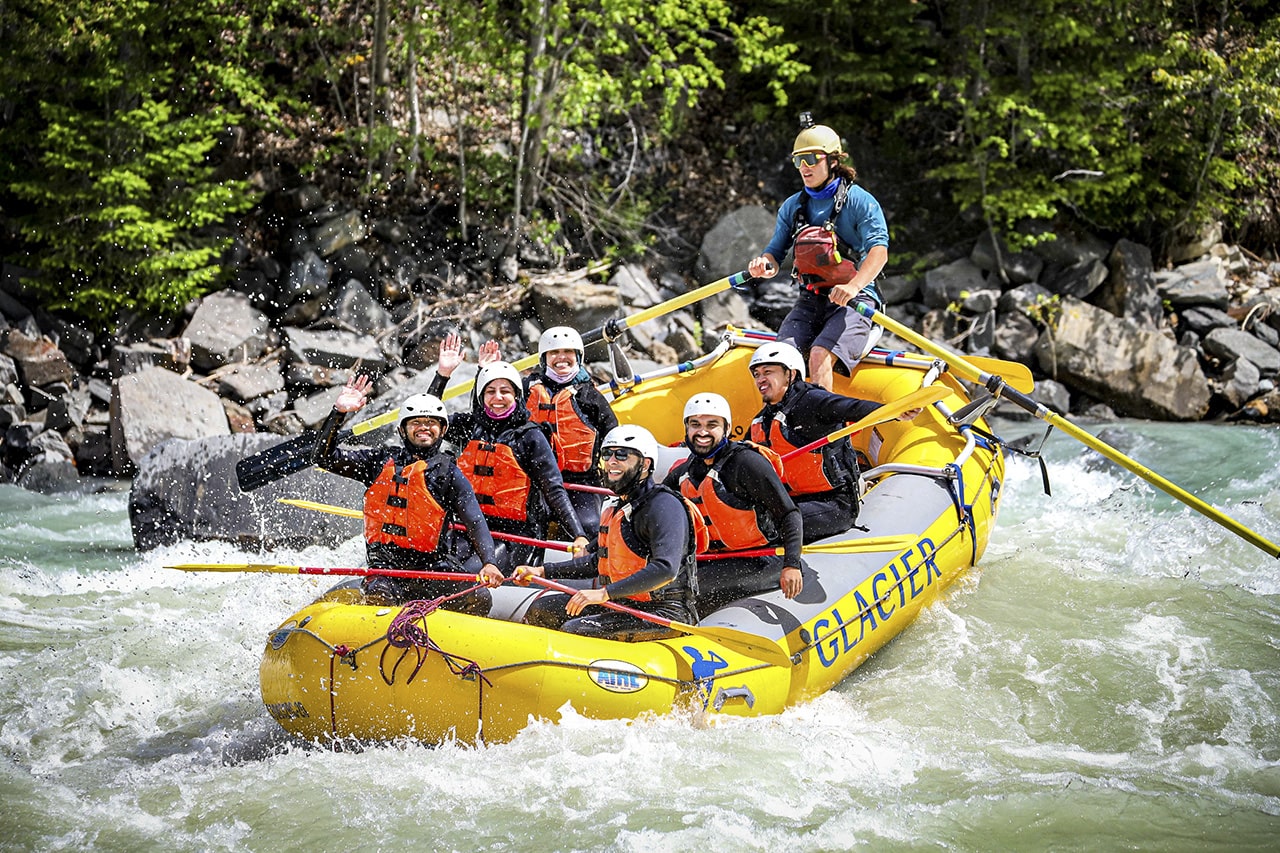
The briefing covers paddle commands—forward, back, high-side—and what to do if you swim: feet up, face the sky, let the current carry you to an eddy. You step into a thirteen-foot self-bailing raft, six others seated along the inflated tubes, and push off from a gravel bar into flat water that accelerates within 200 metres.
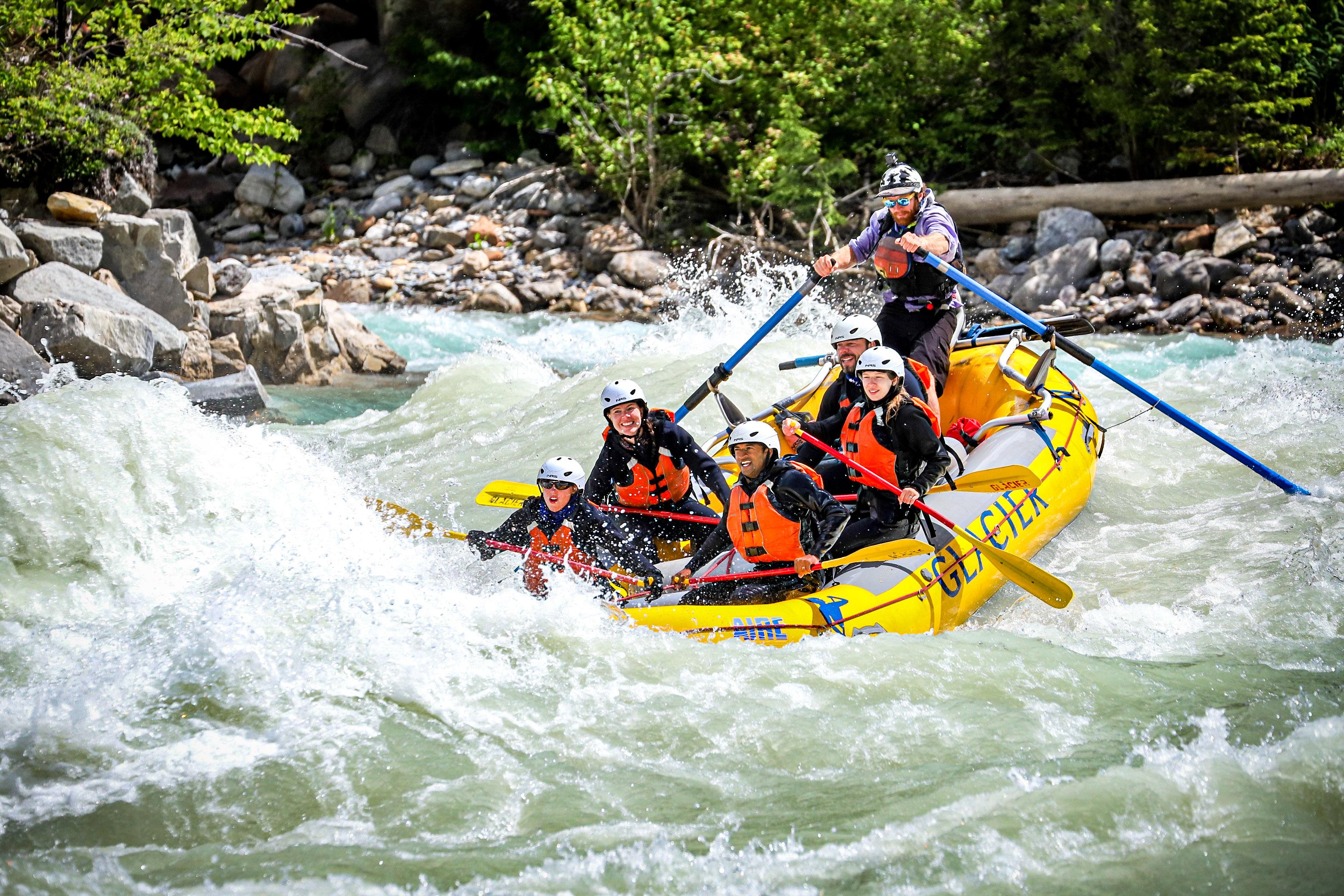
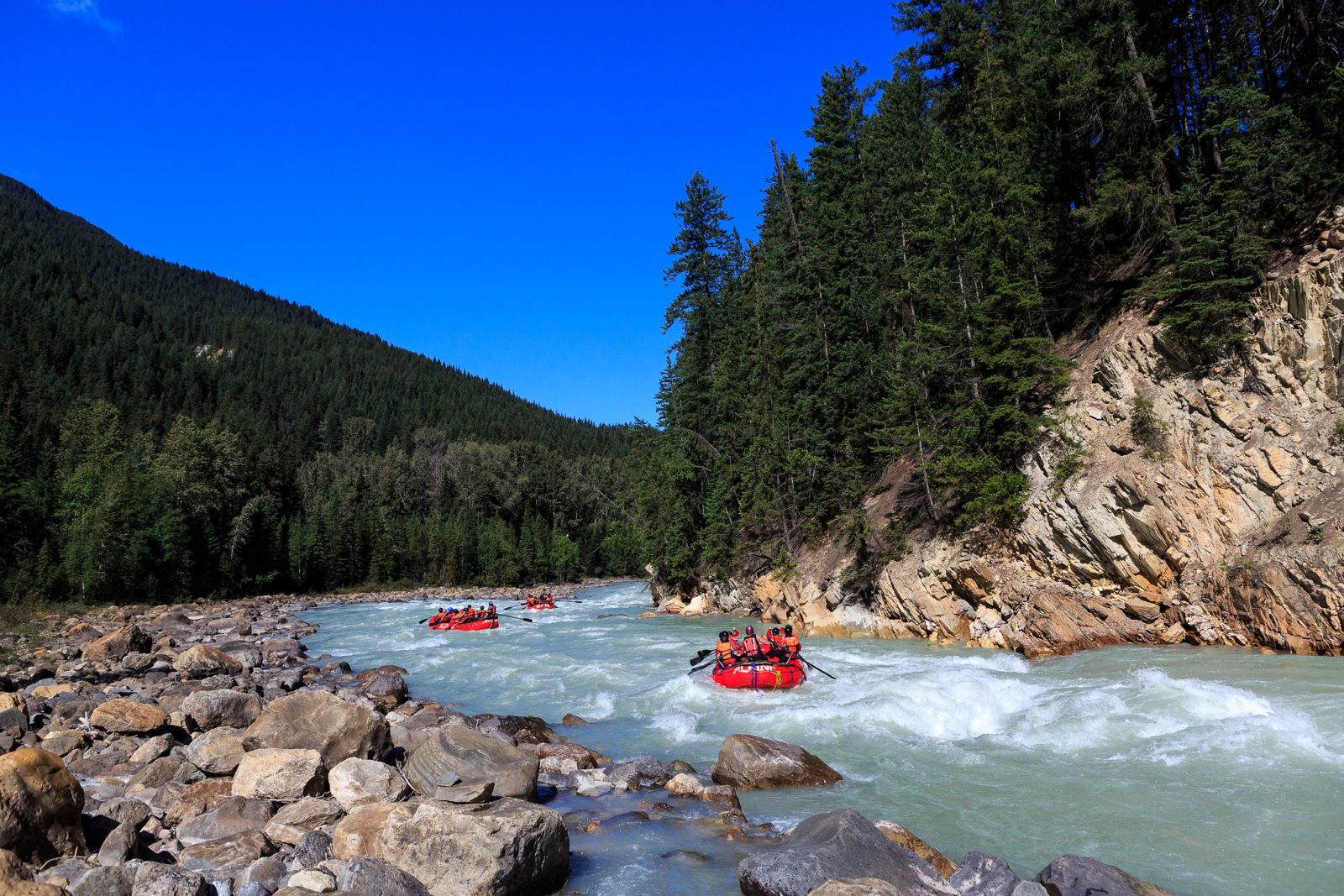
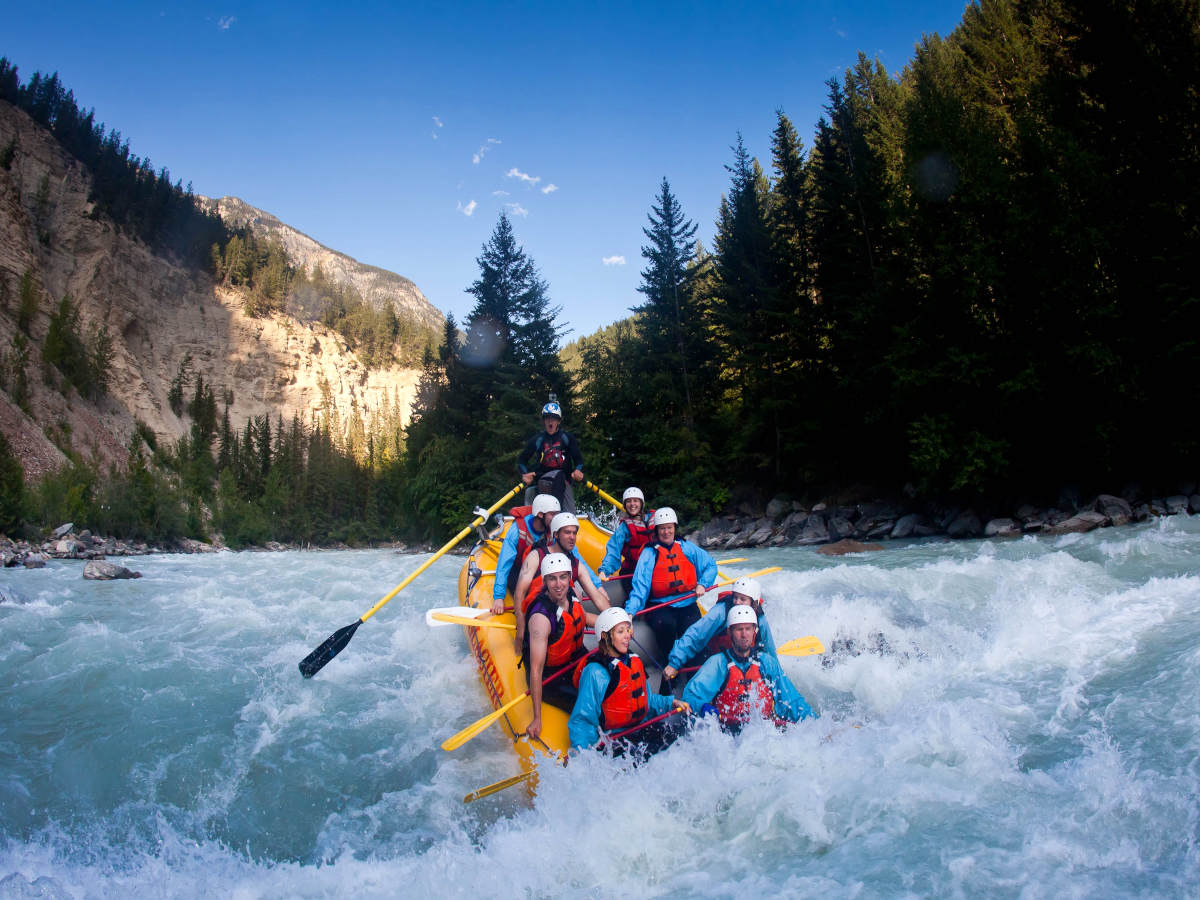
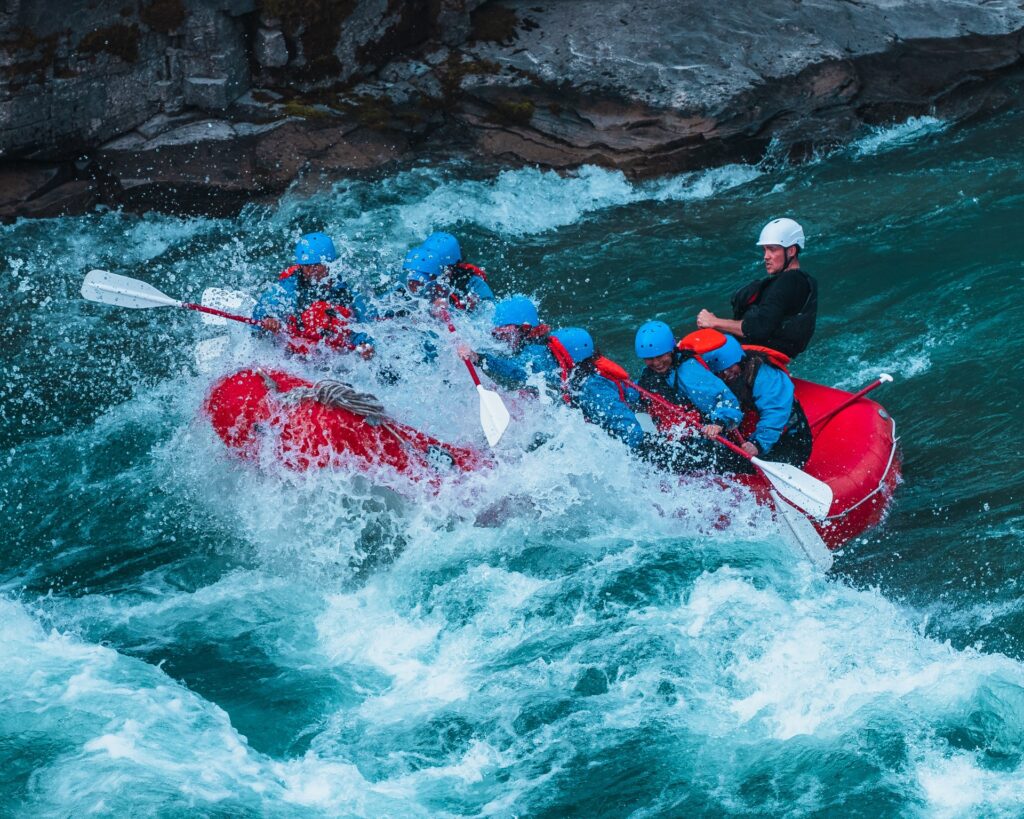
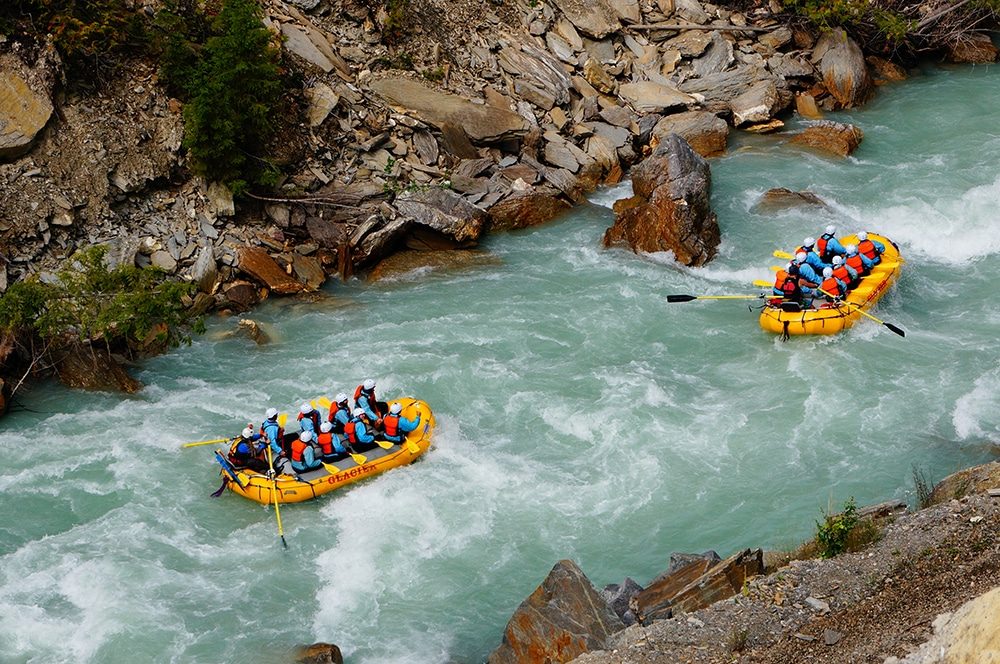
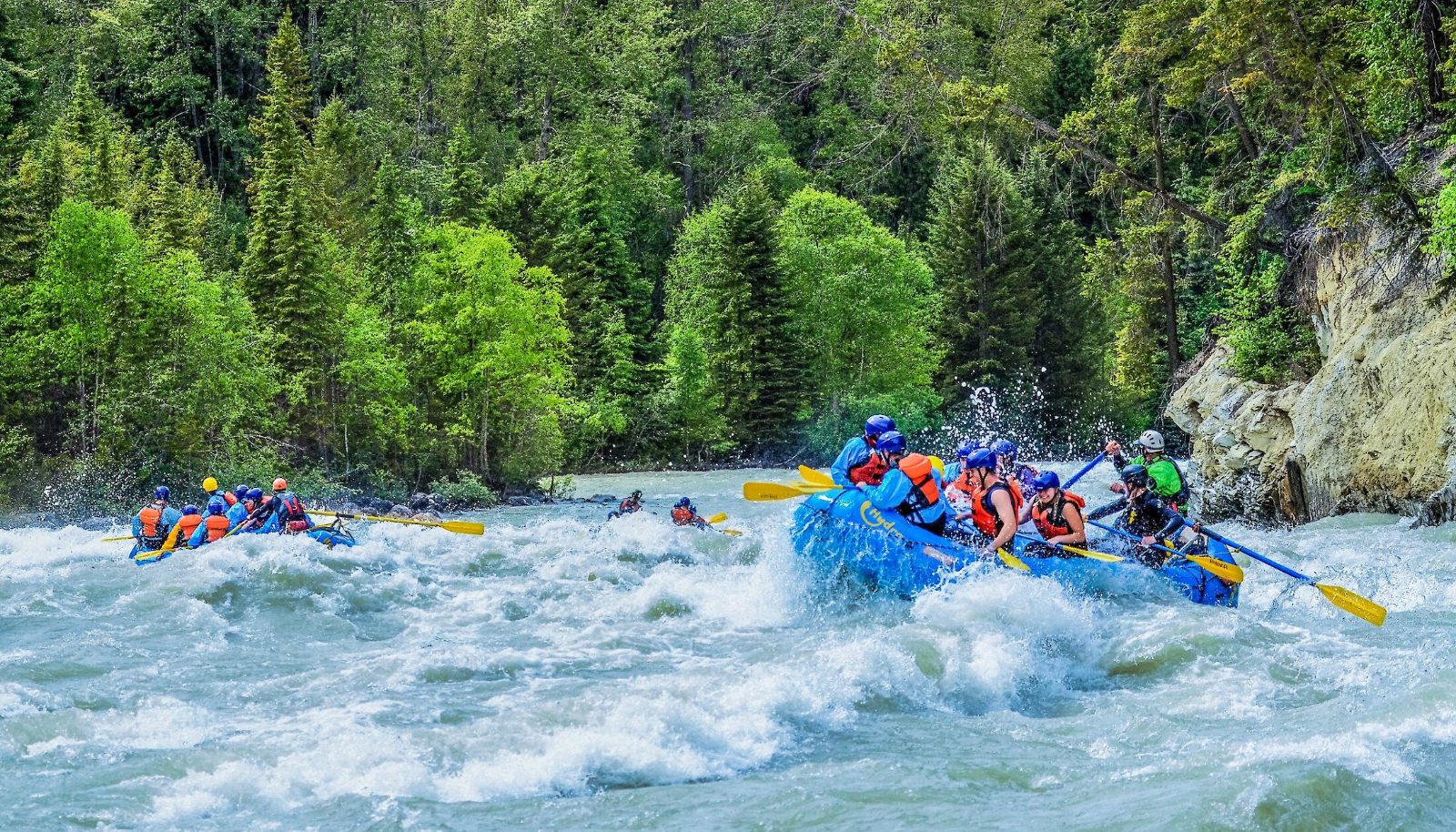
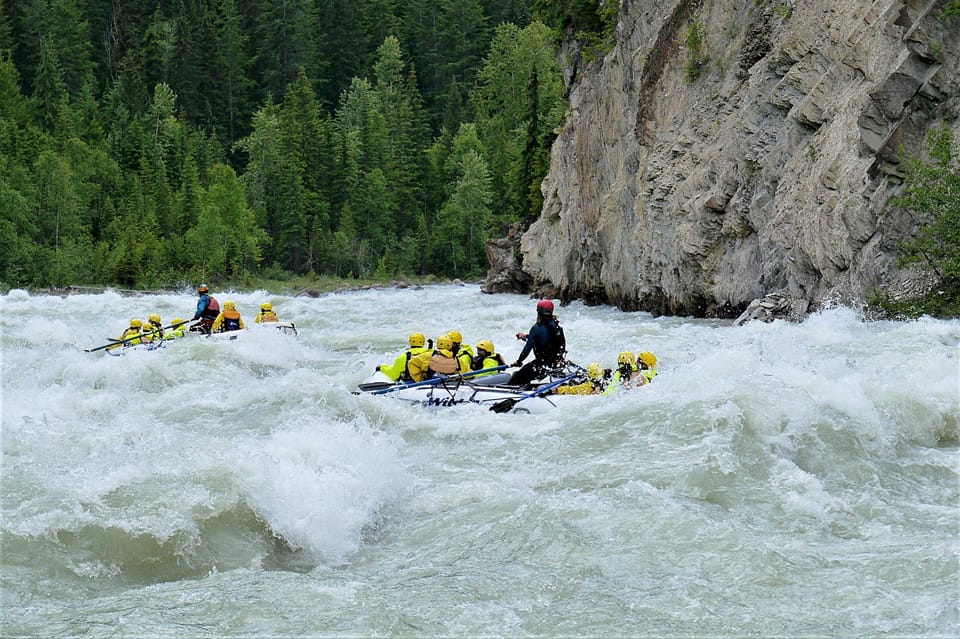
Shotgun rapid arrives first, a three-metre standing wave that folds over the bow and drenches the front row. You paddle hard through the hydraulic, then drift through a calm pool where the canyon walls rise 60 metres on both sides, striped limestone glowing ochre in direct sun. Man Eater forms where the river funnels between two boulders; the raft pivots sideways, and you high-side to keep the tube from folding. Roller Coaster follows—a chain of four waves, each taller than the last—and you brace your feet under the thwart as whitewater breaks over the stern.
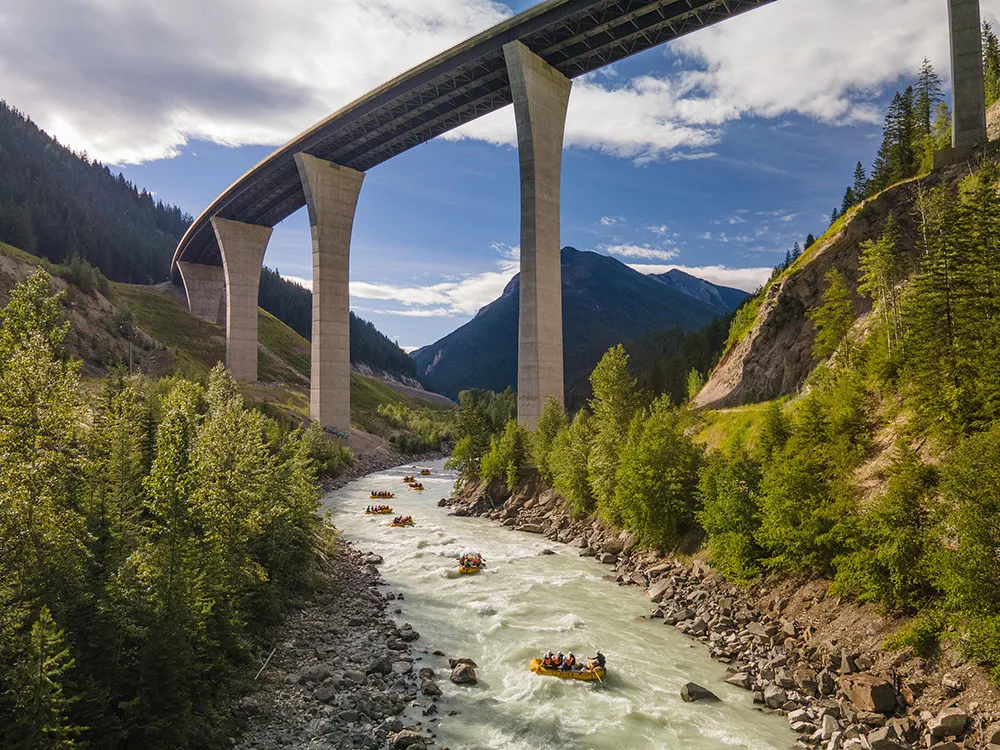
The river flattens for the final two kilometres. An osprey lifts off from a snag on the north bank, a cutthroat trout in its talons. You beach at the take-out beside the Highway 95 bridge, peel off your wetsuit, and board the shuttle back to Golden, the Purcell Range filling the western skyline.
All the details about your upcoming adventure in one place
The Kicking Horse River descends 1,050 metres from its source in the Wapta Icefield to its confluence with the Columbia River, carving a whitewater corridor through sedimentary rock layers that date to the Cambrian explosion 540 million years ago.
The river's name originates from an 1858 incident in which a packhorse kicked James Hector, a geologist with the Palliser Expedition, rendering him unconscious near the banks. By the 1970s, the gradient and volume that made the river a logistical obstacle for 19th-century surveyors had transformed it into one of North America's premier commercial rafting destinations.
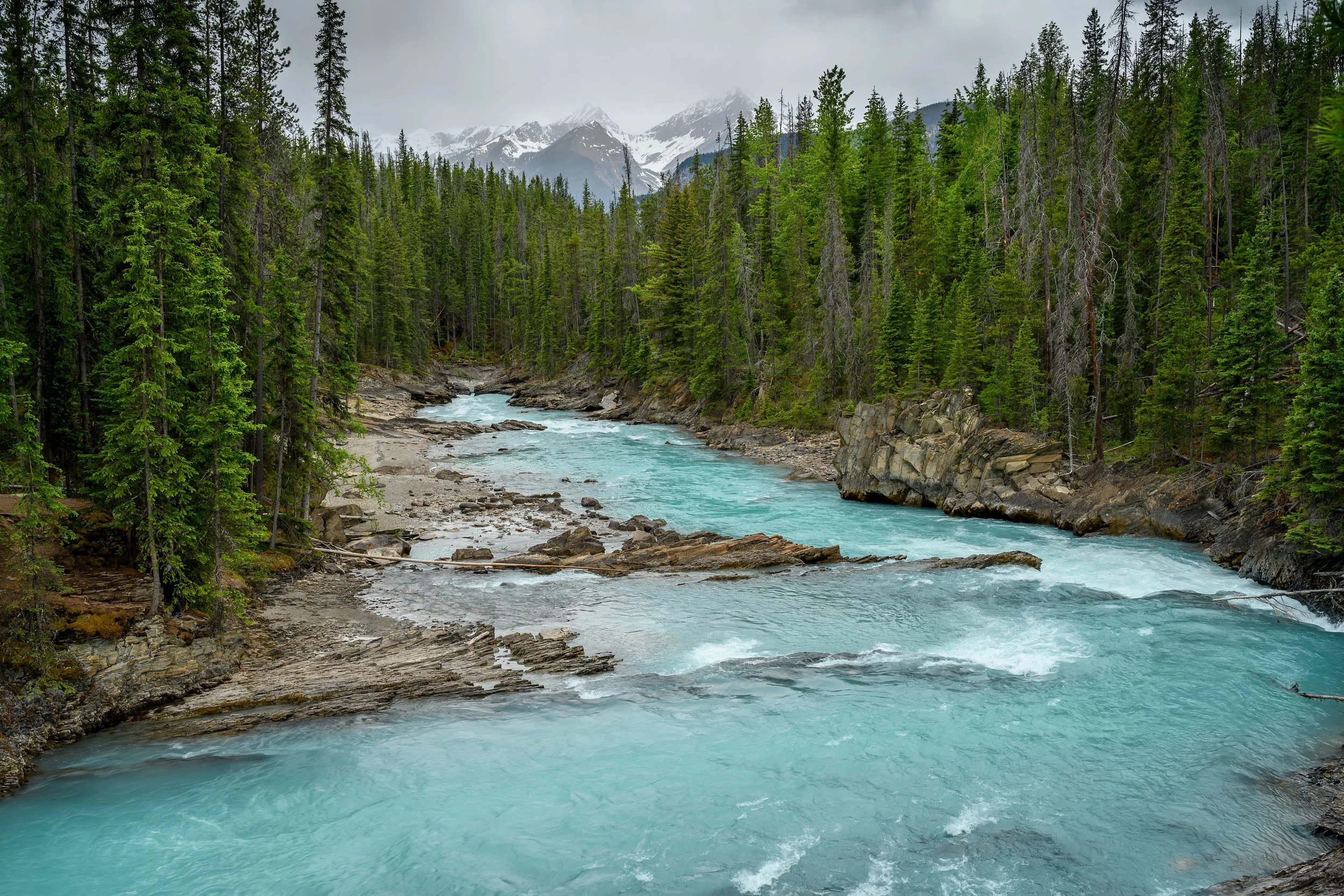
The Kicking Horse classic raft trip navigates the river's middle canyon section, a 14-kilometre stretch between Golden and the base of the Purcell Mountains where the gradient averages 12 metres per kilometre and seasonal snowmelt sustains flow rates between 40 and 120 cubic metres per second. Class III rapids—Shotgun, Man Eater, and Roller Coaster among them—form where bedrock constrictions accelerate current and standing waves break over submerged ledges. The canyon walls expose Ottertail and Gog Group formations, carbonate sequences deposited in shallow Cambrian seas, now tilted and fractured by the tectonic collision that built the Rockies 80 million years later. Ospreys nest on limestone outcrops above the waterline; bighorn sheep traverse talus slopes on the north bank during summer.
Commercial operation of the river began in 1978 when permits were first issued for guided descents, and the classic route has since become the standard half-day itinerary for operators based in Golden. Modern expeditions launch from a staging area on Kicking Horse Road, 2.8 kilometres south of the Trans-Canada Highway interchange. Thirteen-foot self-bailing rafts carry six to eight passengers; guides call paddle commands and read hydraulics from the stern. The season runs May through September, with peak flows in June when meltwater from the Wapta and Waputik icefields reaches maximum discharge. Water temperature holds between 4 and 8 degrees Celsius even in midsummer, sustained by glacial input; wetsuits are issued year-round.
The Kicking Horse classic raft trip tours remain accessible to participants without prior river experience, provided they meet a minimum age threshold—typically eight years—and can swim 25 metres unassisted. The river's hydraulics are predictable, and the canyon's gradient is steep enough to sustain momentum through wave trains without requiring portage. Return shuttles collect groups at the take-out point near the Highway 95 bridge, completing the loop to Golden in 15 minutes.

The gradient averages 12 metres per kilometre, and standing waves break over submerged Cambrian ledges where snowmelt sustains flow rates above 40 cubic metres per second.
Participants on a kicking horse classic raft trip must wear synthetic clothing layers that retain warmth when wet. Cotton is strictly prohibited as it pulls heat away from the body.
Personal belongings, including bags, must be left in designated lockers at the base before departing for your river rafting excursion. Valuables should be kept in your vehicle or the provided secure storage.
Waterproof cameras or action cameras with secure mounts are permitted during the tour. Professional guides will capture select moments from the kicking horse classic raft trip.
Children must meet specific age and weight requirements defined by safety standards for the Kicking Horse River. Guardians should confirm minimum age limits with the operator before booking tickets.
The kicking horse classic raft trip requires a moderate level of physical fitness to navigate whitewater sections. Guests should be able to swim and follow guide instructions in high-pressure environments.
Complimentary water is provided, and many packages include a post-river meal. Guests should eat a light snack before arrival to maintain energy levels for the kicking horse classic raft trip.
Opening Hours
09:00–17:00
Address
2936 Kicking Horse Road, Golden, BC V0A 1H0, Canada
Accessibility
Please contact the operator regarding specific physical requirements
Best arrival window
09:00–13:15
Storage
Secure lockers available on-site for personal items
Location
Golden, British Columbia
Car · Varies · Free parking on site
Follow Trans-Canada Highway to Golden and exit onto Kicking Horse Road.
Taxi · 10 min · Cost varies by service
Local Golden taxi services provide transport to the river base.
Full refunds are typically available for cancellations made 48 hours in advance. Please note that while the entrance fee is 0 CAD, specific tour costs are subject to individual operator policies.
Recommended time
4-5 hours
A kicking horse classic raft trip requires allocating time for gear fitting, comprehensive safety briefings, and transit to the river. While the time spent on the water is the highlight, your total commitment should include post-excursion changing and travel back to the base. Securing kicking horse classic raft trip tickets in advance ensures your group is processed efficiently, though arriving early helps avoid the peak midday rush for equipment check-out. Booking your kicking horse classic raft trip tours early in the day often provides more predictable water conditions.
Crowd levels through the day
Weather · crowds · average price — dots go green to amber to red as each metric rises.
High water levels provide the most intense whitewater experience for thrill seekers. Expect colder water temperatures and brisk mountain air.
The most popular period for a kicking horse classic raft trip due to stable weather and warm sun. Ideal for families and mixed experience levels.
Lower water volumes offer a calmer river experience with visibility of mountain foliage. Optimal for photography and serene river views.
Drink plenty of water before your rafting tour to prevent dehydration during the mountain exertion. This is essential for the high-altitude climate of the Kicking Horse River valley.
River guides know the safest lines through the rapids and provide essential safety commands. Always prioritize the instructions provided during the pre-trip briefing.
The Kicking Horse River earned its name in 1858 when geologist James Hector, part of the Palliser Expedition, was kicked unconscious by his packhorse near the waterway. For over a century the river remained a remote corridor through the Canadian Rockies, known to Indigenous Secwepemc and Ktunaxa peoples but largely inaccessible to commercial traffic. Construction of the Canadian Pacific Railway along its banks in the 1880s brought the first waves of outsiders, though the violent gradient and glacial melt made navigation impossible for all but the most reckless. Commercial rafting on the Kicking Horse began in 1978 when a handful of mountain guides recognized the river's potential as a whitewater destination. Early kicking horse classic raft trip expeditions were bare-bones affairs: surplus military rafts, minimal safety gear, and clients who signed away liability on scrap paper. The 1980s brought stricter provincial licensing, purpose-built rafts, and the establishment of Golden as the staging hub. By 1990 operators had formalized the Classic run, a half-day route through Class III and IV rapids that balanced adrenaline with accessibility. A near-fatal accident in 1998—when a raft flipped in Shotgun rapid and two guests were swept downstream—forced the industry to adopt mandatory guide certification and swimmer-retrieval protocols. The Kicking Horse River gained international recognition in the early 2000s after Outside Magazine ranked it among North America's top ten rafting rivers. Today the Classic trip remains the most popular option, launching from the outfitters' base on Kicking Horse Road and navigating rapids named for their history: Man Eater, Shotgun, and the deceptive Roller Coaster. Glacial runoff from the Wapta Icefield still dictates the season, with peak flows between May and July.
James Hector is kicked by his packhorse near the river, giving the waterway its name.
Canadian Pacific Railway construction opens the valley to limited outside access.
First commercial whitewater kicking horse classic raft trip tours launch with surplus equipment and minimal regulation.
Operators standardize the Classic half-day route through Class III and IV rapids.
A flipped raft in Shotgun rapid prompts mandatory guide certification and safety overhauls.
Outside Magazine ranks the Kicking Horse among North America's premier rafting rivers, drawing international bookings.
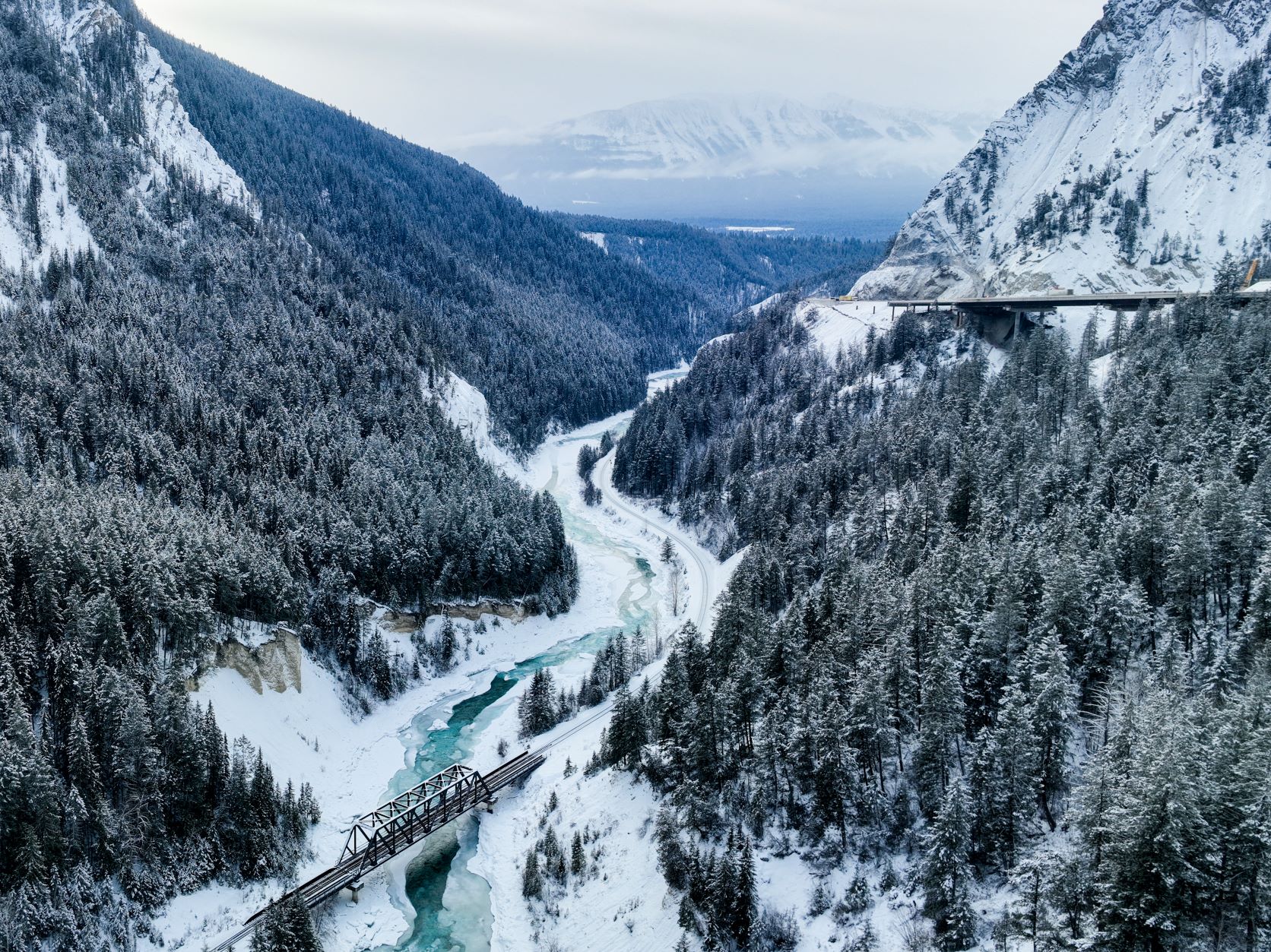
Capture the steep limestone walls as the river narrows significantly. Stand near the center of the raft to frame the towering canyon geometry against the turbulent turquoise water.
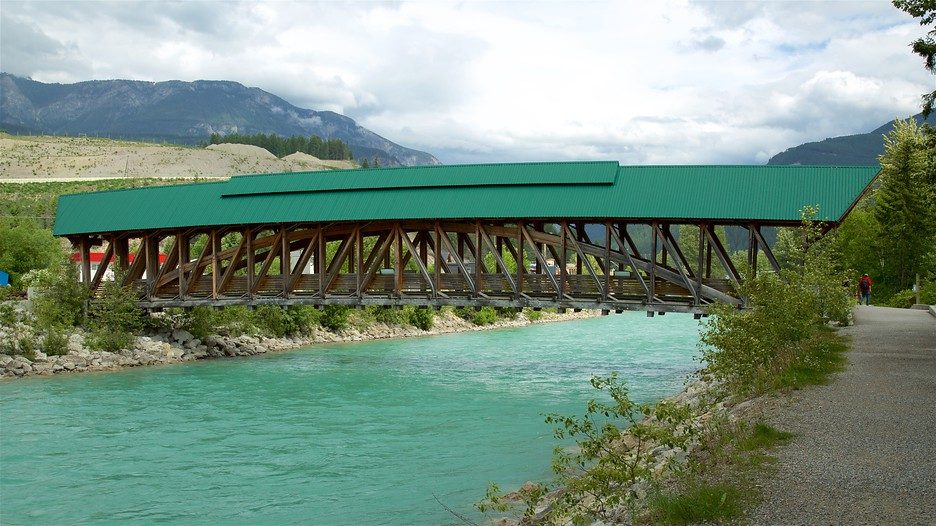
This viewpoint offers a perspective of the river flowing beneath the structure before the rapids begin. Position yourself on the pedestrian path for a stable shot of the incoming white water.
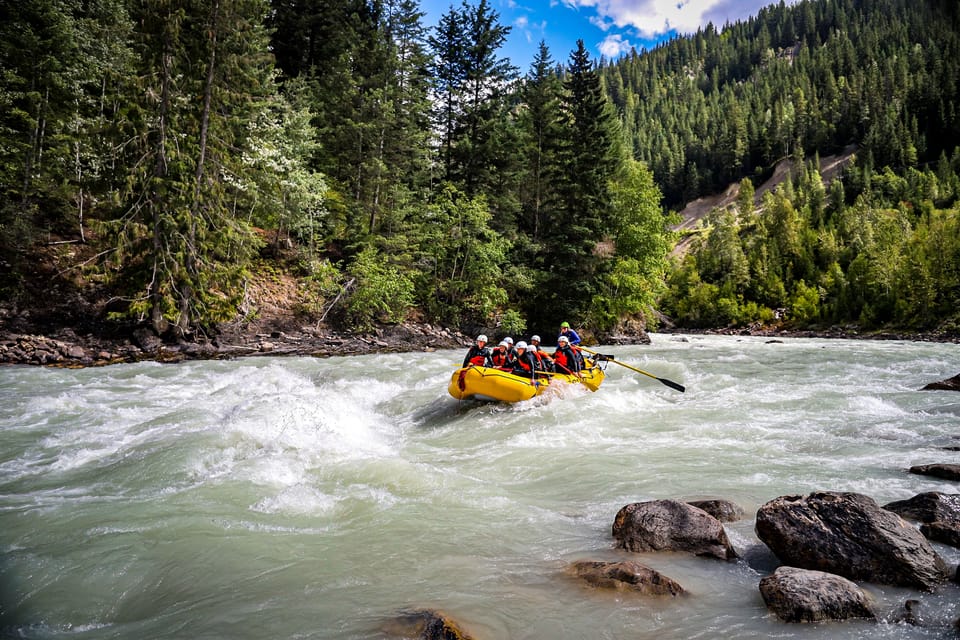
This spot focuses on the splash of the whitewater during a kicking horse classic raft trip. Aim your lens toward the bow of the boat to document the interaction between the paddlers and the river features.
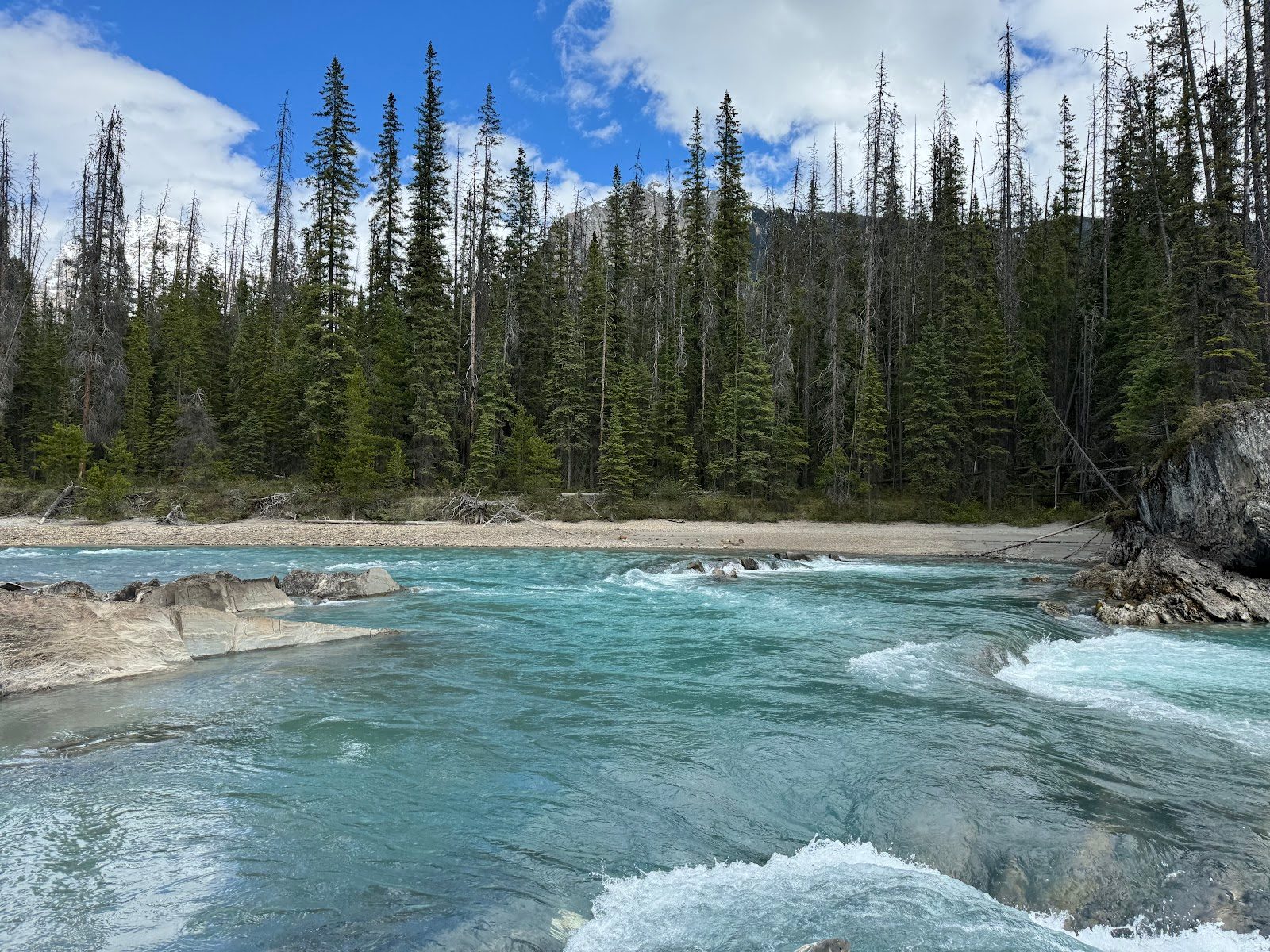
Photograph the transition from the narrow technical sections to the wider, calmer river expanse. This is a common location for a kicking horse classic raft trip tour to regroup, providing a stable platform for landscapes.
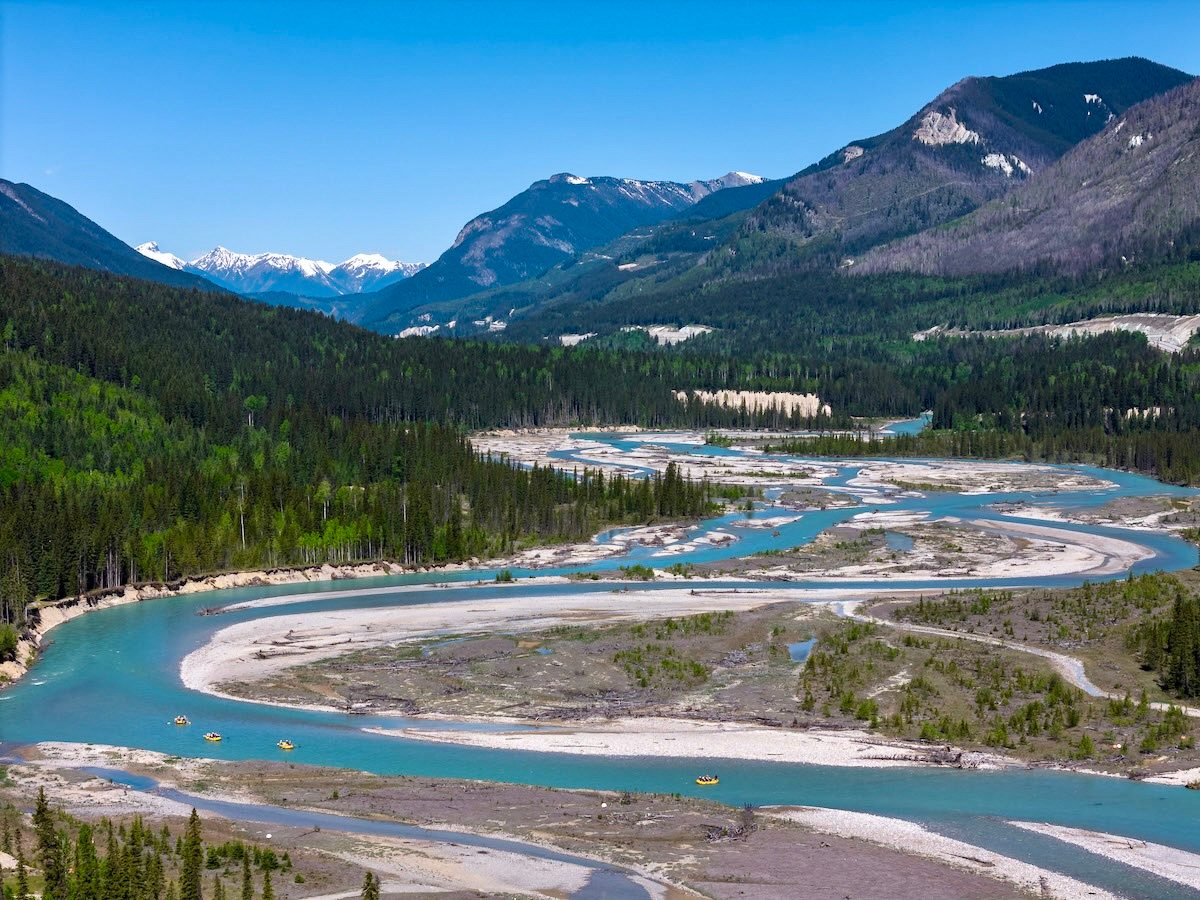
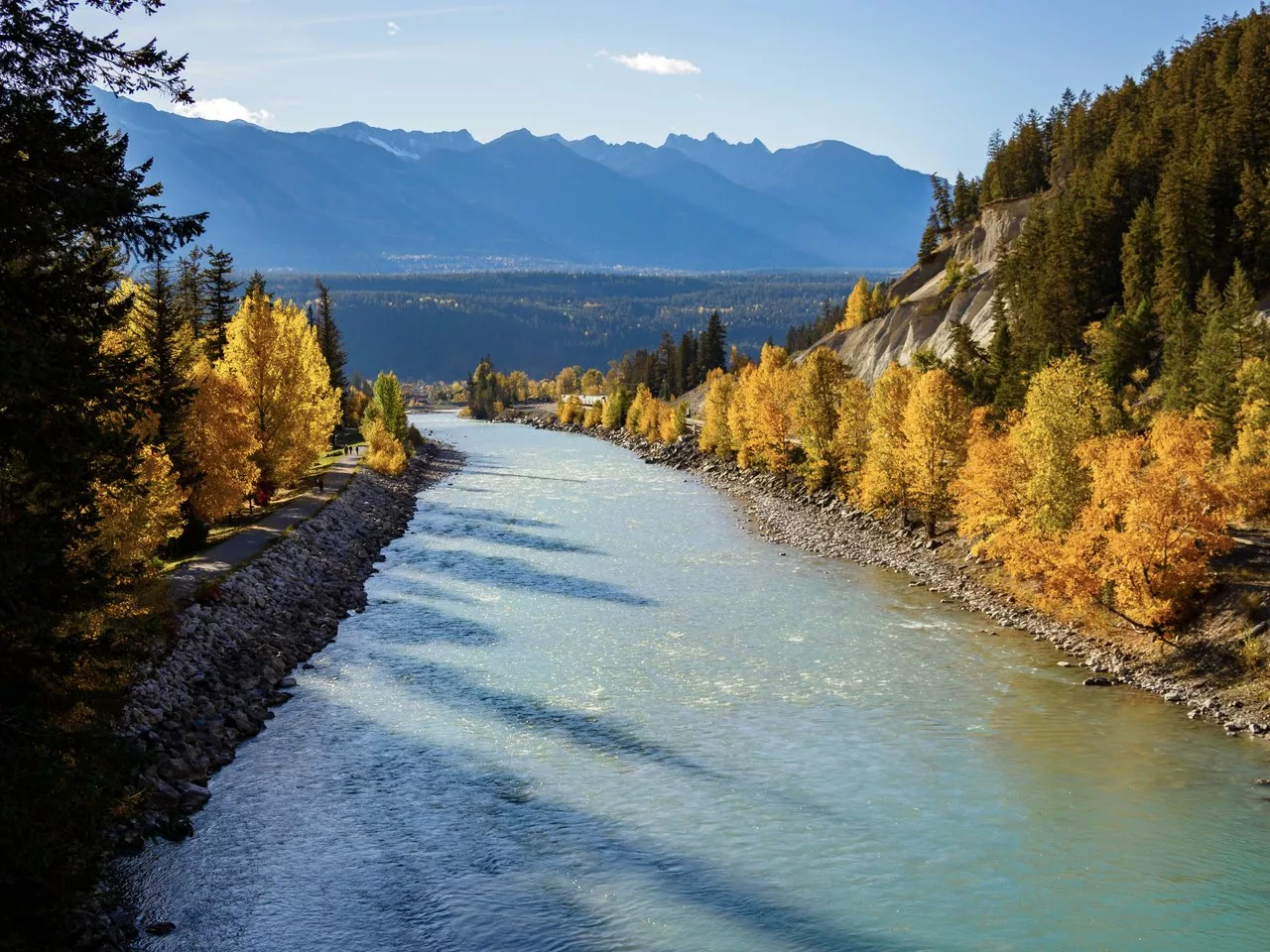
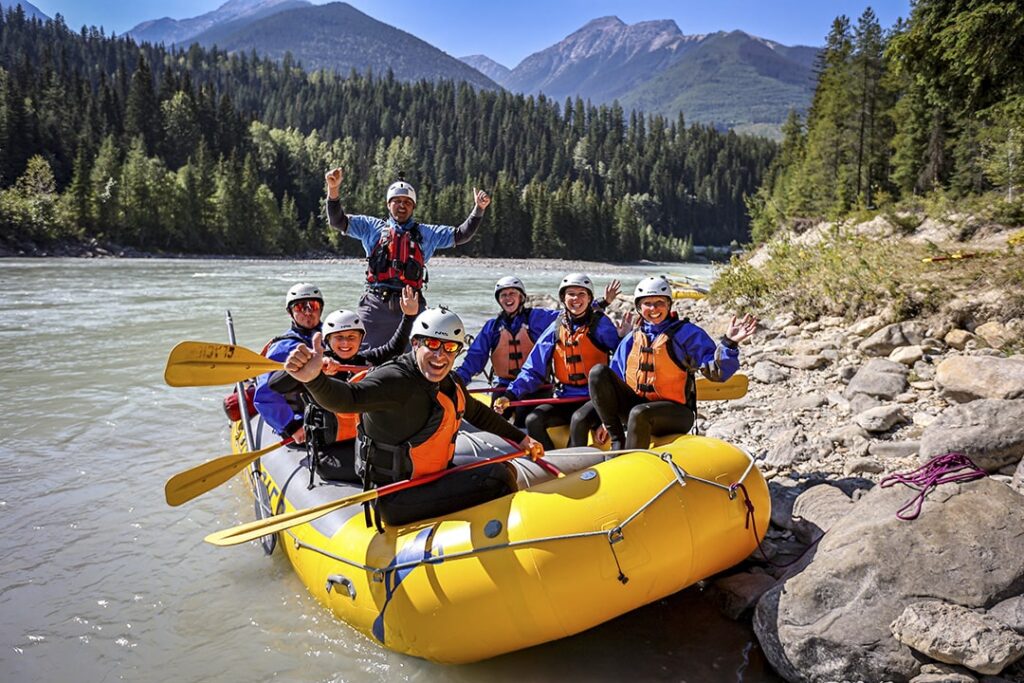
From the riverbank, this location captures the wider valley and mountain peaks surrounding the rafting course. Visitors securing kicking horse classic raft trip tickets often find this area ideal for post-excursion shots.
Planning a kicking horse classic raft trip with children requires attention to river safety and physical requirements. Parents should ensure that younger participants are comfortable with moving water and meet the specific safety mandates of their chosen operator.
Most operators require children to be at least 12 years old and meet a minimum weight threshold to ensure personal flotation devices fit securely. Always verify these specific requirements when booking your kicking horse classic raft trip tickets to avoid disappointment at check-in.
While advanced swimming skills are not typically required, participants must be comfortable in the water and capable of following guide instructions during high-energy sections. This Golden white-water tour provides a challenging environment where listening to the crew is the primary safety mechanism.
The river base is a wilderness location and does not feature standard urban amenities like stroller-accessible paths or formal baby-change stations. Families should manage their expectations for rustic, outdoor facilities during kicking horse classic raft trip tours.
The experience involves sustained activity on the water, which can be tiring for younger adventurers. Ensure your group has enough energy for the duration of the kicking horse classic raft trip tour before finalizing your plans.
Visitors planning a kicking horse classic raft trip will find several dining options in downtown Golden, a short drive from the river base. While there are no restaurants on-site at 2936 Kicking Horse Road, the town offers convenient spots for pre-adventure meals or post-rafting recovery.
This local favorite features seasonal mountain cuisine and creative cocktails. It is an excellent choice for a hearty dinner after completing your kicking horse classic raft trip tours.
Everything you need to know for your journey
The facility is open daily from 09:00–17:00. Please plan your visit to align with these hours to ensure you don't miss your booked slot.
Yes, the classic trip is designed for various experience levels and includes comprehensive safety instructions. Guides will support you through every rapid.
Bring a towel, swimsuit, and footwear with a heel strap to your tour. Avoid cotton materials to stay comfortable on the water.
Yes, the river base provides lockers for personal storage. You do not need to carry your kicking horse classic raft trip tickets or valuables on the river.
The best arrival window is 09:00–13:15 to maximize river conditions. Summer months offer the most reliable weather for your excursion.
You can bring a waterproof camera at your own risk. Official photos are often available for purchase after your kicking horse classic raft trip.
Age restrictions apply due to safety standards; please consult the operator for the specific age requirements before booking your tour.
The entrance fee is 0 CAD. Tour costs vary based on your specific package and operator selection.
Cancellations made 48 hours in advance are eligible for a full refund. Always confirm the terms when purchasing your tour.
Yes, nearby Yoho National Park offers hiking and sightseeing opportunities perfect for after your kicking horse classic raft trip.
A protected area featuring massive glaciers and alpine lakes. Perfect for hiking after a kicking horse classic raft trip.
Convenient lodging near the river base
Join thousands of happy travelers who have discovered this incredible experience
Book Your Experience Now