

Quick answer
Kicking Horse rafting death incidents have occurred, with documented fatalities primarily involving private boaters and commercial guests during high-water spring runoff between the 1980s and early 2000s. Modern commercial operations report no guest fatalities since enhanced safety protocols were mandated in 2005, including guide certification, swimmer-rescue drills, and seasonal flow restrictions. The river remains a Class IV waterway with inherent risk, but operator compliance and equipment standards have significantly reduced serious incidents over the past two decades.
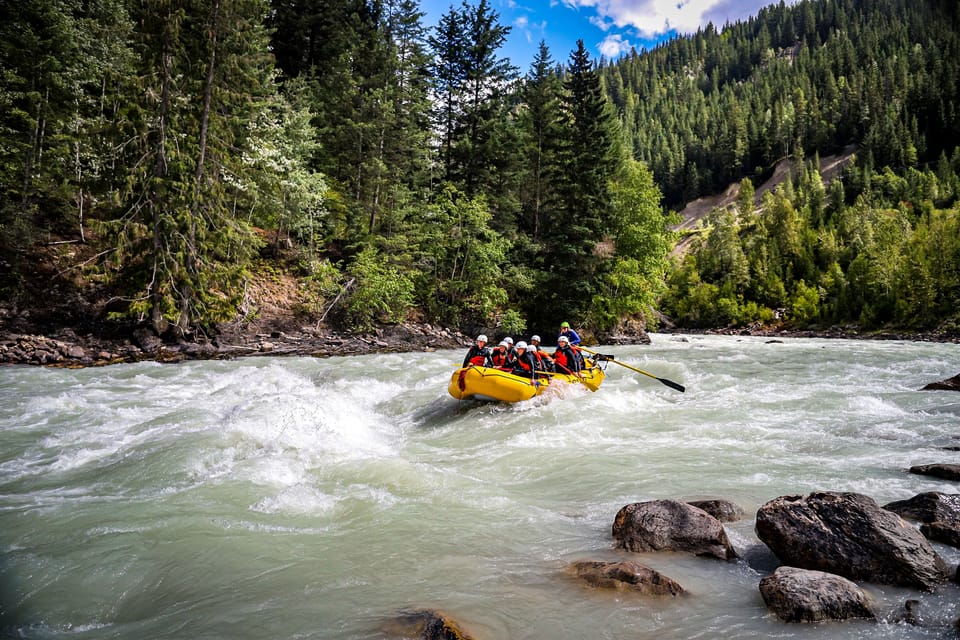
The Kicking Horse River has claimed lives, a fact that underscores why this stretch of the Columbia basin earns its Class IV designation and commands respect from every guide who rows it. Between 1982 and 2003, provincial records document seven fatalities on the commercially rafted section between Golden and the confluence with the Columbia River, most occurring during June peak flows when snowmelt pushes the river above 200 cubic meters per second and hydraulic features grow exponentially more powerful. What separates modern Kicking Horse rafting from the incidents that built its reputation is not the river itself—Shot Gun, Man Eater, and Terminator rapids remain as technical and unforgiving as ever—but the regulatory framework that now governs who can guide, what equipment must be carried, and which flow windows are off-limits to commercial traffic. Following a 2004 coroner's inquest into a drowning near Glenogle Creek, British Columbia imposed mandatory guide certification through the Whitewater Rescue Technician program, required continuous visual contact between rafts in multi-boat trips, and established minimum flotation and throw-bag standards for every vessel on the water. The river's danger is not theoretical. Cold glacier-fed water, undercut rocks along the canyon walls, and the sheer hydraulic force of waves that flip twelve-foot rafts create an environment where mistakes compound quickly. Commercial outfitters mitigate these risks through meticulous route scouting, real-time flow monitoring via Water Survey of Canada gauges, and swimmer-recovery protocols drilled weekly. Private boaters without this infrastructure still account for the majority of search-and-rescue calls Parks Canada logs each season, particularly during the May-to-July runoff window when water temperatures hover between four and eight degrees Celsius and immersion time to hypothermia is measured in minutes. Understanding the Kicking Horse River's history does not mean avoiding it—tens of thousands of guests raft the river annually without incident—but it does mean choosing an operator with current Commercial River Outfitter certification, asking what guide-to-guest ratios they maintain, and recognizing that the river's beauty and its capacity for harm occupy the same stretch of whitewater.
“The river's danger is not theoretical—cold glacier-fed water, undercut rocks, and hydraulic force create an environment where mistakes compound quickly.”
Safety and Avoiding a Kicking Horse Rafting Death
Kicking Horse River's Class IV rapids demand proper preparation and professional guidance. Most preventable incidents stem from choosing unqualified operators, ignoring fitness requirements, or disregarding changing water conditions.
Booking with unlicensed or inexperienced operators
Verify your outfitter holds current Transport Canada certification and employs certified river guides. Licensed operators maintain equipment standards and carry emergency communication gear.
Ignoring pre-trip safety briefings or swimming instructions
Pay close attention to paddle commands, self-rescue positions, and how to react if thrown from the raft. These protocols are designed for the specific hazards of Kicking Horse's hydraulics.
Underestimating physical fitness requirements for Class IV water
Assess your swimming ability and cardiovascular endurance honestly before booking. Operators screen participants for a reason—ejection into cold, turbulent water requires strength to self-rescue.
Wearing cotton clothing or inadequate thermal protection
Dress in synthetic or wool layers under your wetsuit, never cotton, which loses insulating value when wet. The glacier-fed river remains cold year-round, and hypothermia risk is real.
Refusing a helmet or ignoring equipment fit checks
Wear the provided helmet at all times on the water, adjusted snugly. Head injuries from submerged rocks are a leading cause of serious rafting accidents.
Essential Conduct for Kicking Horse Rafting Safety
Following guide instructions and respecting safety protocols directly reduces risk on the Kicking Horse River's challenging rapids. Proper conduct protects both individual rafters and the entire group navigating Class III-V conditions.
Do
- Listen to and follow all guide commands without hesitation during rapids
- Wear all provided safety gear including helmets and personal flotation devices
- Inform guides of your fitness level and any medical conditions before departure
- Hold paddle grip properly and maintain your assigned seated position
- Stay with the raft if you fall out and follow rescue protocols
- Arrive for your tour sober and well-rested for physical demands
Don't
- Ignore guide instructions or attempt maneuvers without clearance
- Remove or adjust safety equipment during the rafting trip
- Overestimate your physical capability when selecting river section difficulty
- Consume alcohol before or attempt to bring intoxicants on the water
- Stand up in the raft or make sudden movements during rapids
- Book Class IV-V sections without assessing your fitness and swimming ability
Seasonal River Conditions and Kicking Horse Rafting Death Risks
The Kicking Horse River is best experienced from late June through August when water levels stabilize following the peak spring snowmelt. This window provides the most consistent conditions for navigating the river's rapids.
June
ModerateCool, 10–18°C
High water levels from snowmelt increase flow intensity and technical difficulty.
July and August
HighWarm, 15–25°C
River flow typically decreases to mid-summer levels, balancing excitement with accessibility.
September
LowCool, 5–15°C
Water volume drops significantly, resulting in calmer river conditions as the season concludes.
Verdict: For experienced rafters seeking higher intensity, late June is optimal; for general conditions, July and August are the most stable months.
Operational Hours for Kicking Horse Rafting
The Kicking Horse River rafting operators maintain consistent daily operational hours throughout the main season. Visitors should plan their arrival within the specified window to coordinate with scheduled tour departures.
| Monday | 09:00–17:00 | |
|---|---|---|
| Tuesday | 09:00–17:00 | |
| Wednesday | 09:00–17:00 | |
| Thursday | 09:00–17:00 | |
| Friday | 09:00–17:00 | |
| Saturday | 09:00–17:00 | |
| Sunday | 09:00–17:00 |
Check availability
Safety and Risk Awareness on the Kicking Horse River
Everything you need to know about kicking horse rafting death